



100% inspection of vials before and after filling – for empty vials, vial mouth, stopper seat, crimping, printing and code verification.
vial.inspect is a modular inspection system for 100% inline inspection of vials in pharmaceutical filling and capping processes. The system inspects empty vials, vial mouths, stopper seat, crimping, flip-off caps, printing, human-readable text and 1D and 2D codes – quickly, objectively and inline during ongoing production.
The solution is designed for regulated production environments and supports requirements such as 21 CFR Part 11, EU-GMP, user management, and audit trails.
Do you have questions about automated vial inspection or glass vial inspection? Call us or use our contact form – we’ll be pleased to help!

Any questions?
Get directly in touch with our
experts on +49 7062 91494-0
or write to us using our contact form
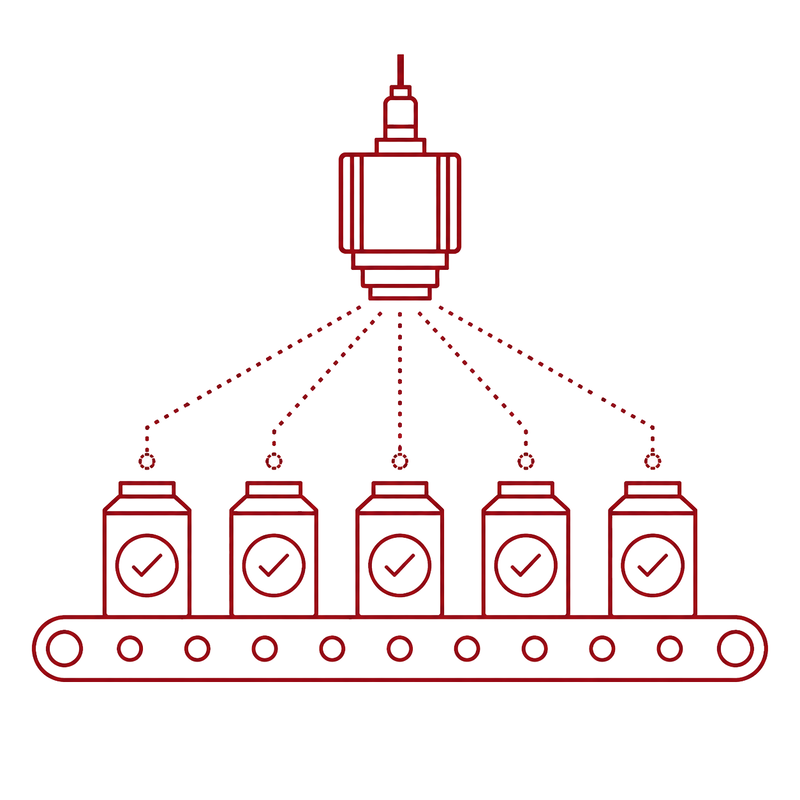



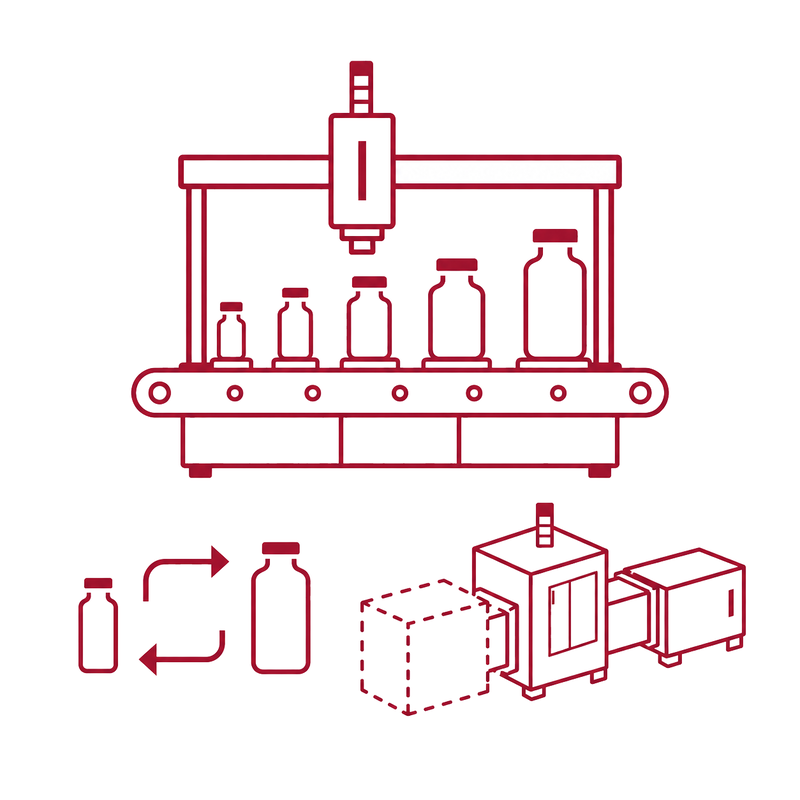

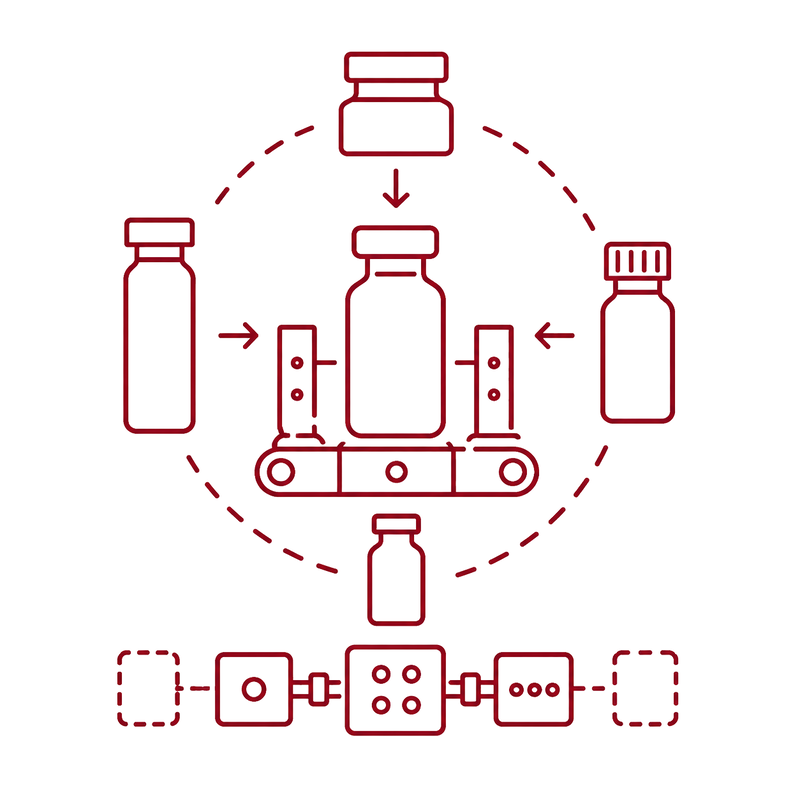
vial.inspect can combine various inspection modules throughout the filling and capping process. Depending on the application, the modules are designed to suit the vial format, machine configuration, cycle time, and inspection objective.
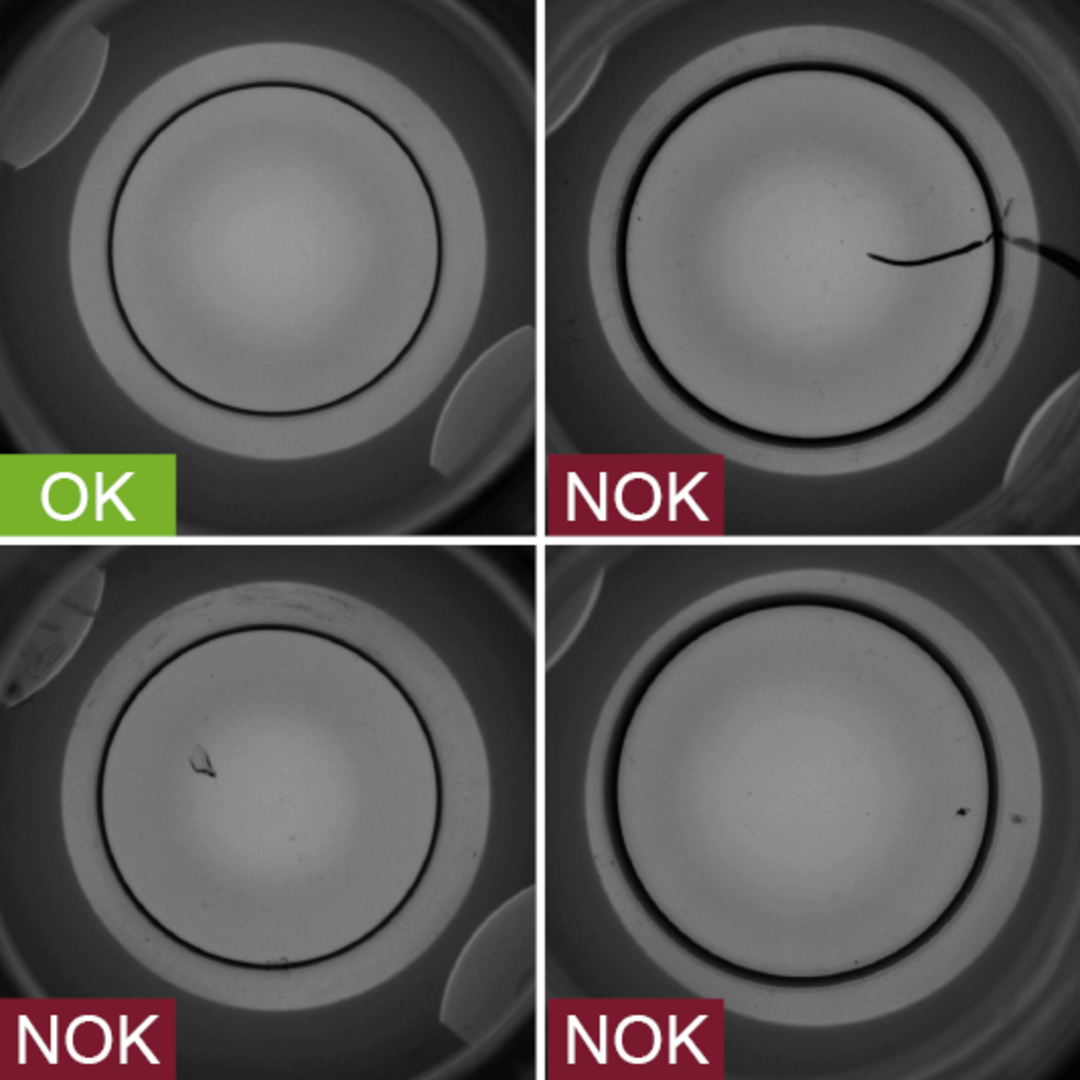
vial.inspect examines empty vials before they are filled with medicines or vaccines and reliably identifies any defects. The system is flexible and can be used for a wide range of vial formats.
- Inspection zone: Base of vial
- Inspection characteristics:
- Contamination
- Foreign bodies
- Glass fragments
- Cracks
- Size range*: 2R – 50R
- Defect sizes**: approx. 0.2 x 0.2 mm
* Special sizes possible on request
** See defect catalogue
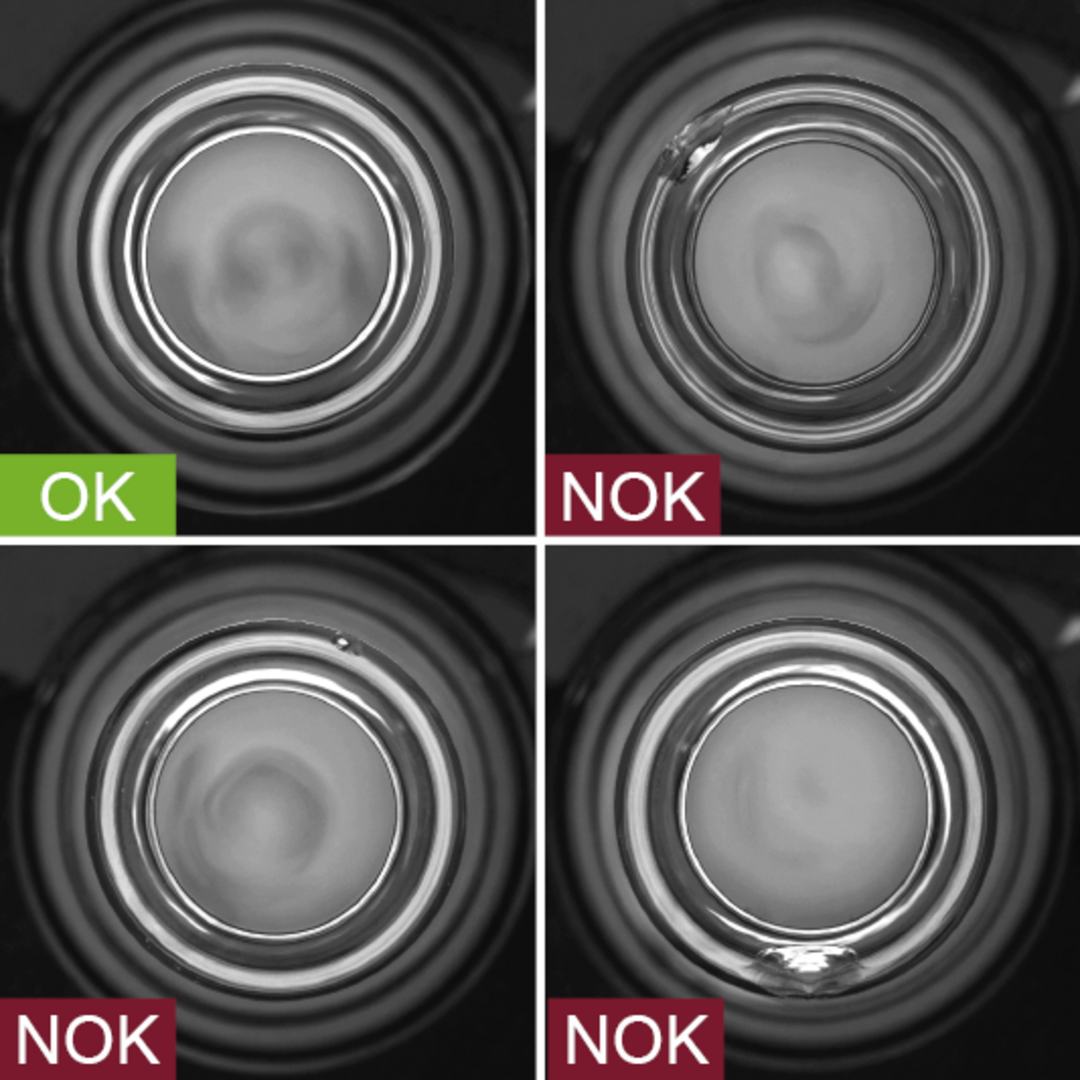
The mouths of vials are another source of possible defects, which vial.inspect can examine with precision before vials are filled with medicines and vaccines. Only absolutely defect-free vials are released for the downstream filling process.
- Inspection zone: Vial mouth
- Inspection characteristics:
- Damage
- Chips or flakes
- Impurities
- Size range*: 13 mm, 20 mm, 32 mm
- Defect sizes**: approx. 1.2 x 1.2 mm
- Special solution for mouths with oblique surfaces
* Special sizes possible on request
** See defect catalogue
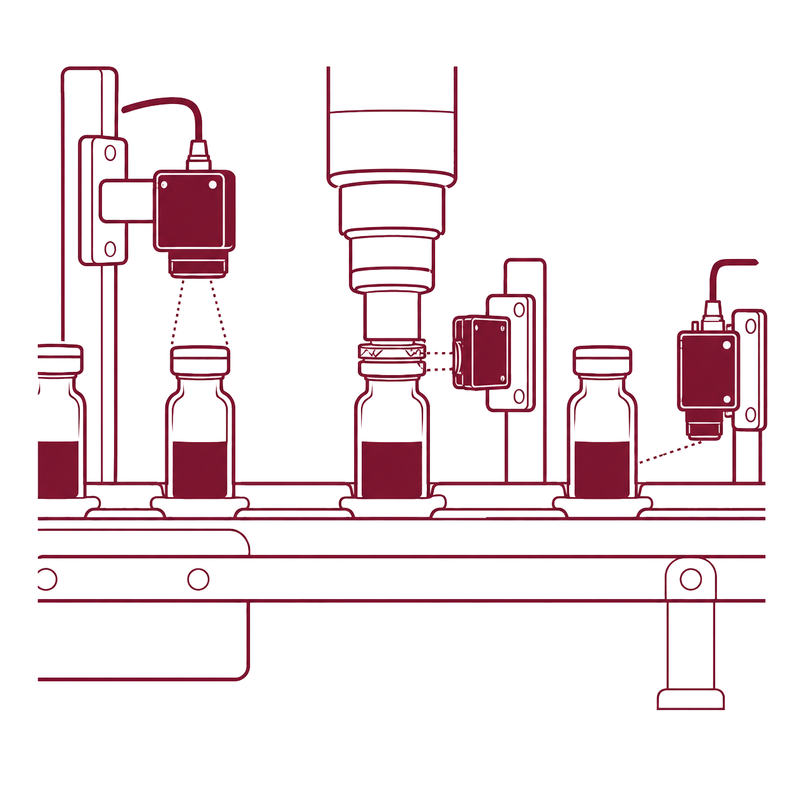
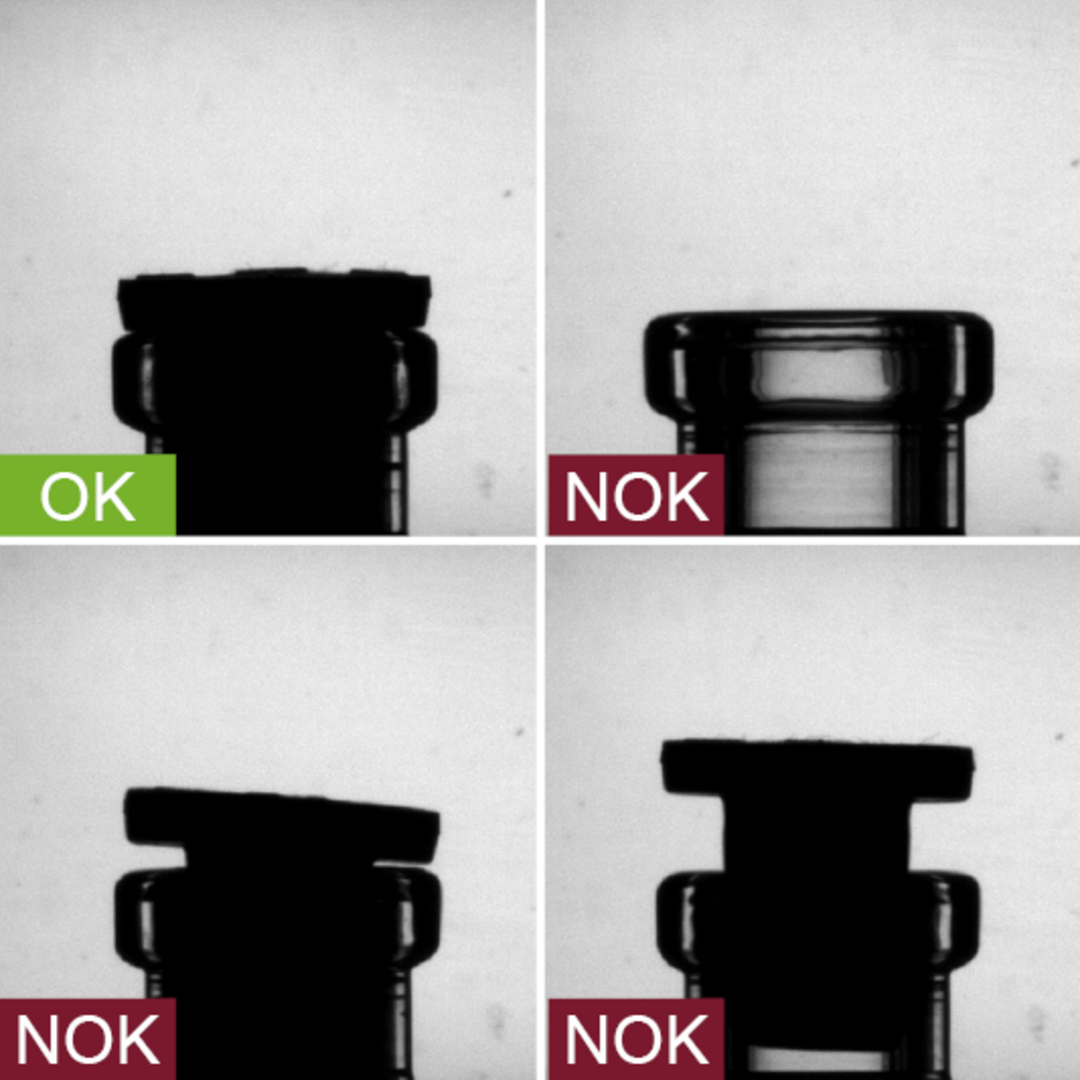
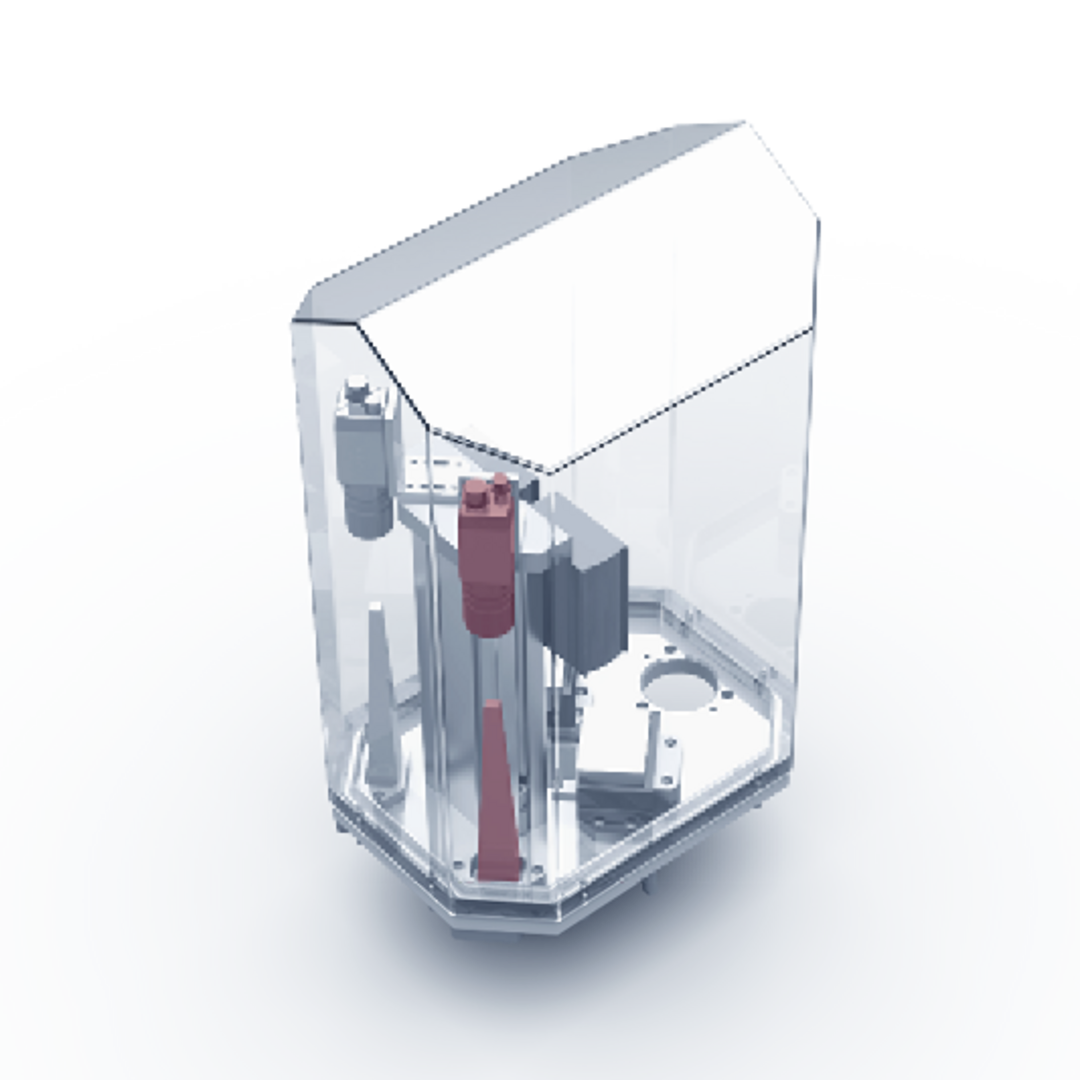
Incorrectly sealed vials can lead to contamination of the active ingredients and are a safety hazard. To prevent microbiological contamination, vial.inspect visually inspects the gap between the vial neck and stopper from two perspectives and reliably detects inadequately sealed vials.
- Inspection zone: Vial neck and stopper
- Inspection characteristics:
- Correctly seated stopper
- Gap between stopper and vial
- Stopper sizes: Common liquid and lyophilisation stoppers for ISO vials with an opening of 13 – 32 mm
- Integrated into a stainless steel housing with coordinated lighting
- Space-saving positioning directly above the stopper
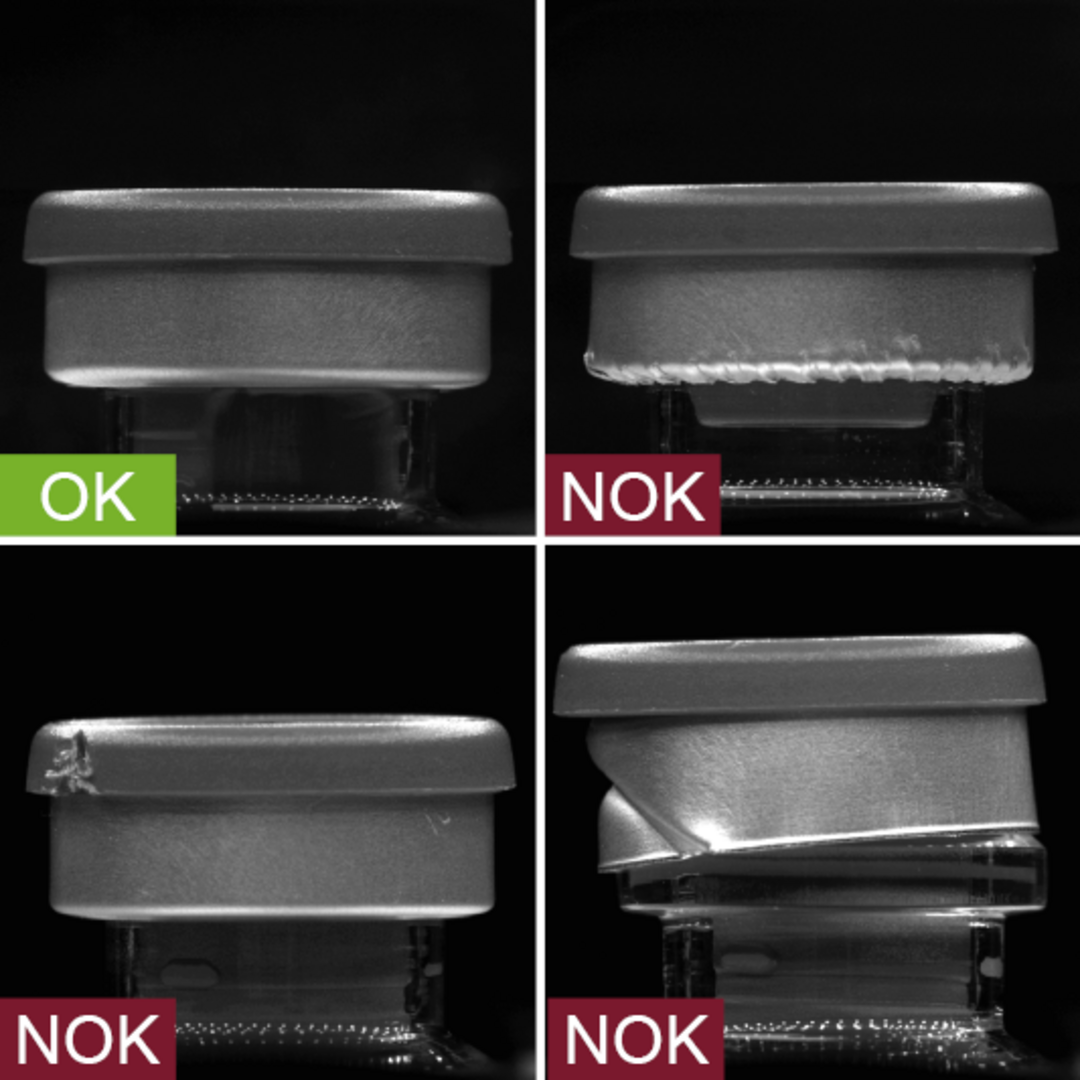
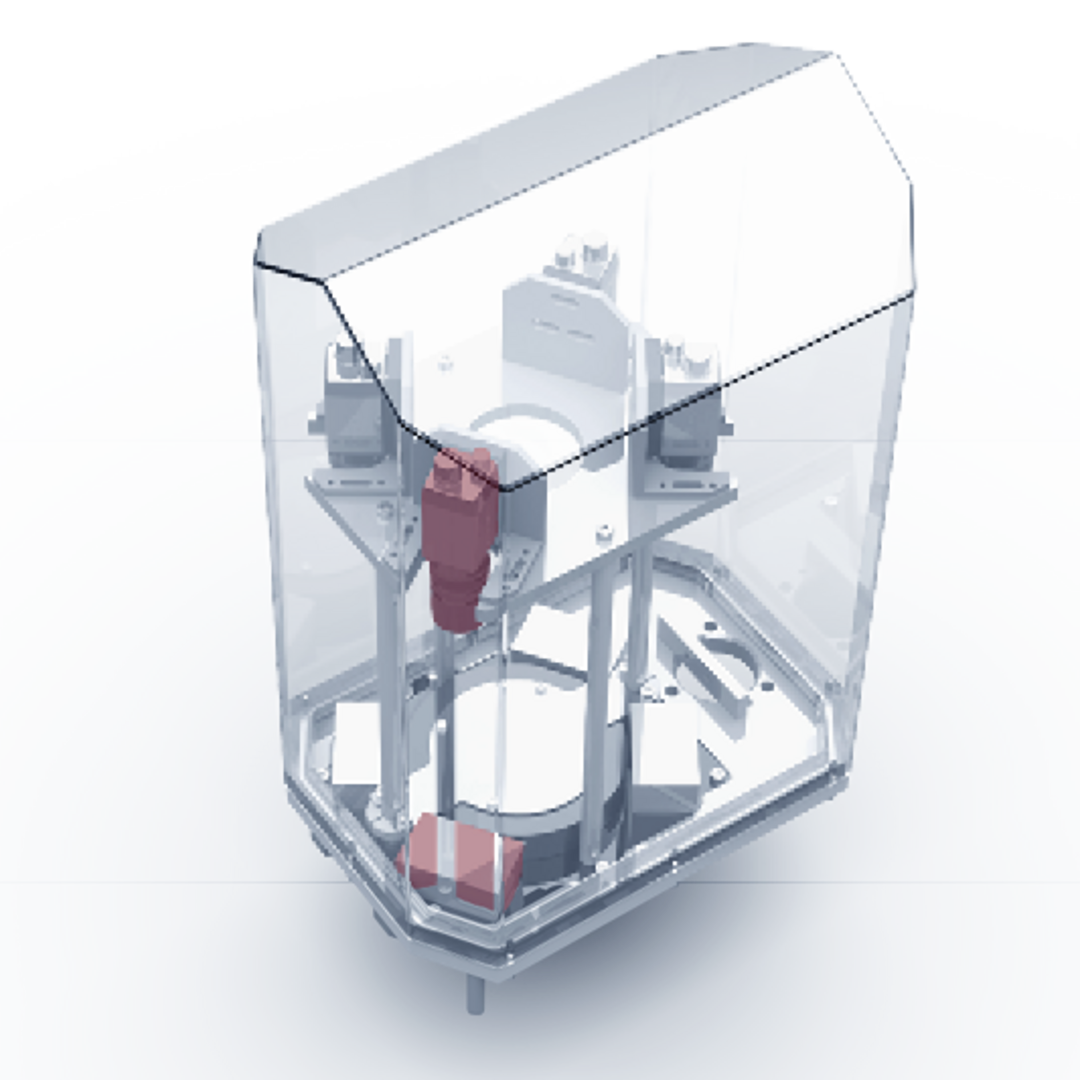
Crimp caps are metal caps that seal the vial stoppers after they have been filled, ensuring that the stoppers can no longer become detached. vial.inspect inspects these crimp caps from up to 4 perspectives simultaneously during a 100% inspection and makes sure that only perfectly sealed vials can continue on to downstream processes and then be delivered to customers.
- Inspection zone: Crimp cap
- Inspection characteristics:
- Crimp presence
- Crimp quality
- Damage to the crimp cap
- Presence of flip-off caps
- Damage to flip-off caps
- Colour of flip-off caps
- Size range: Common crimp caps for ISO vials with an opening of 13 – 32 mm
- Integrated into a stainless steel housing with coordinated lighting
- Space-saving location right above the crimp cap
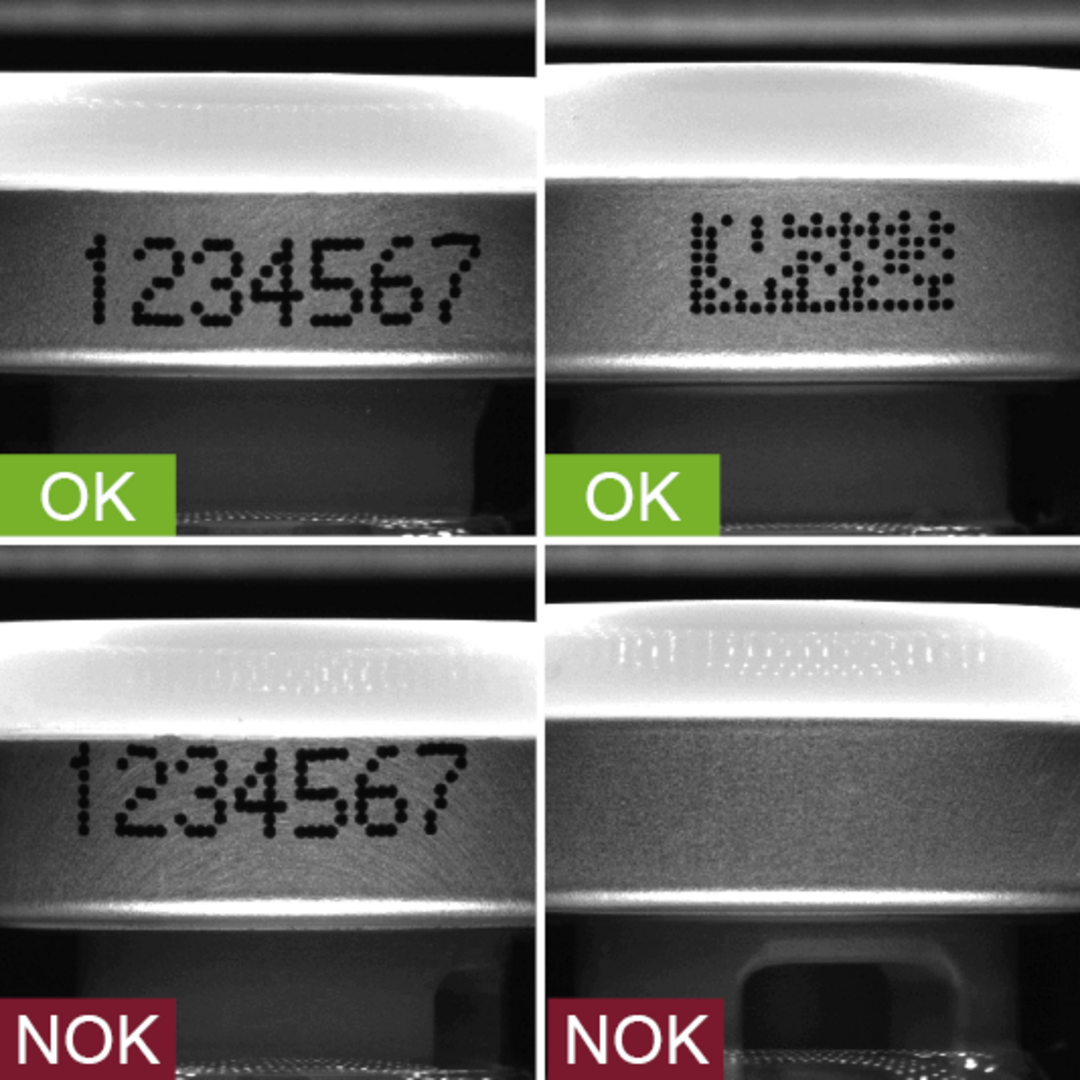
For clear identification, vials have variable data such as a batch or serial number printed on them, enabling reliable identification of individual batches and seamless traceability in the event of a recall. vial.inspect also covers this task, and checks the print to make sure that identification is present, legible and contains the correct information.
- Inspection zone: Crimp cap, flip-off cap, side of vial, label
- Inspection characteristics:
- Verification of human-readable text such as the batch or serial number
- Verifying 1D or 2D codes such as data matrix codes
- Variable data:
- Batch number
- Serial number
- Date of manufacture
- Expiry date
- Code types: All common 1D and 2D codes (barcodes, data matrix, etc.)
- Printing methods: Laser, inkjet
- Integrated into a stainless steel housing with coordinated lighting
- UV ink can also be checked as an option
In pharmaceutical manufacturing, inspection systems must do more than just perform reliable checks. It must be possible to document inspection results, user actions, changes, and relevant process data in a traceable manner.
vial.inspect is designed for regulated production environments and supports requirements for documented quality, traceability, and safe operation. This includes user management, audit trails, and system concepts that can be tailored to requirements such as 21 CFR Part 11 and EU-GMP.




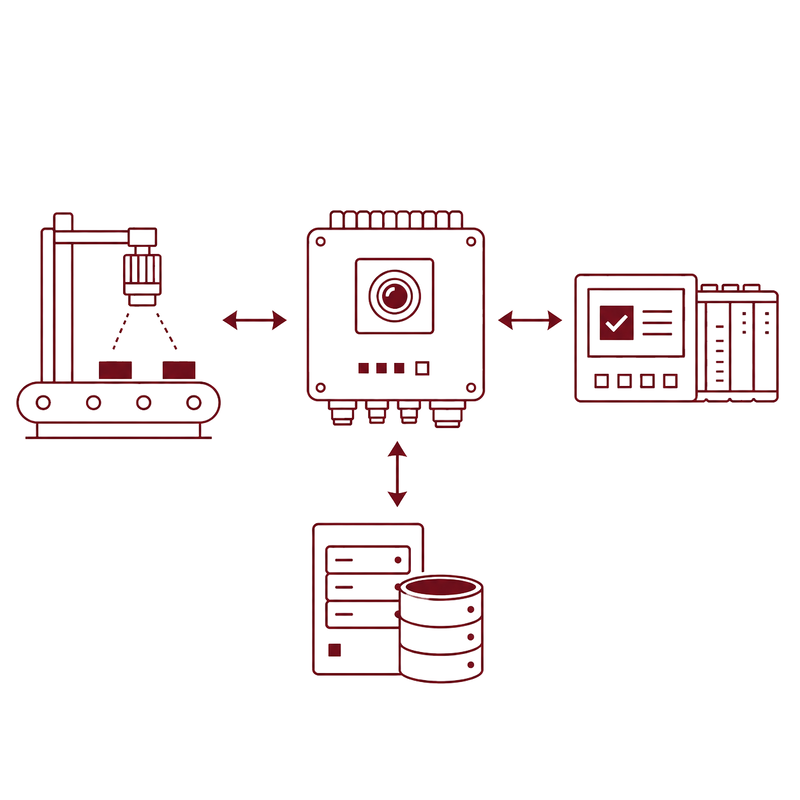
vial.inspect is designed to fit the production environment and integrated into the machine, system, or production line. In doing so, OCTUM takes into account the inspection position, camera and lighting setup, machine cycle time, format range, interfaces, operating concept, and data connectivity.
As a system integrator, OCTUM considers not only the individual camera or software function, but the entire inspection system within the actual production process. This results in solutions that operate reliably inline and can be adapted to new formats or additional inspection criteria.