





In the pharmaceutical and medical technology industries, inspection systems must not only inspect reliably, but also meet regulatory requirements for documentation, data integrity, traceability and validation readiness.
In regulated production environments, machine vision inspection systems are part of a computerized system. For this reason, software, user management, inspection recipes, audit trail, data storage and interfaces must be considered early in the system concept.
With pharma.regulations, OCTUM supports the implementation of automated inspection systems for regulated production processes – technically robust, documentable and aligned with the requirements of GAMP 5, EU GMP Annex 11, EU GMP Annex 15 and 21 CFR Part 11.

Any questions?
Get directly in touch with our
experts on +49 7062 91494-0
or write to us using our contact form
What Do Regulations Mean for Automated Machine Vision?
In regulated production environments, it is not enough for a product to be classified as “good” or “bad”. It is also essential that the inspection result can be documented in a traceable, reproducible and audit-ready manner.
An inspection system must therefore not only solve technical inspection tasks, but also meet requirements for user permissions, change histories, inspection data, interfaces and documentation. OCTUM considers these requirements as early as the system concept phase – from the inspection task through to later integration into the production line.
Automated in-process quality assurance is subject to regulations on three levels. We are familiar with these requirements and offer you peace of mind with maximum quality.
Here, you’ll find an overview of the various applicable regulations and how they fit together: from laws and acts passed by individual countries to directives and also recommendations. With OCTUM, you can trust in a reliable and experienced partner for inline quality assurance with vision inspection systems.
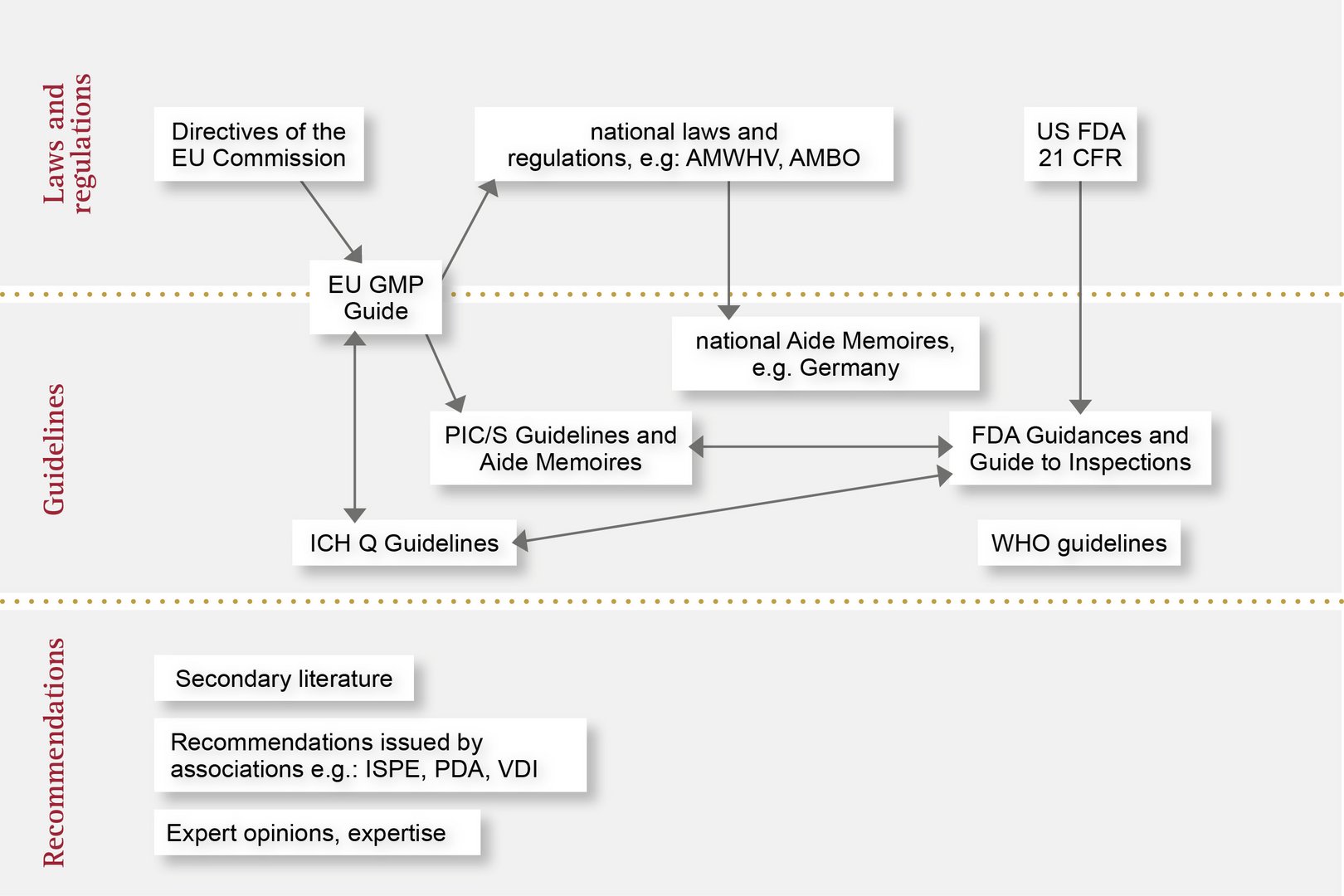
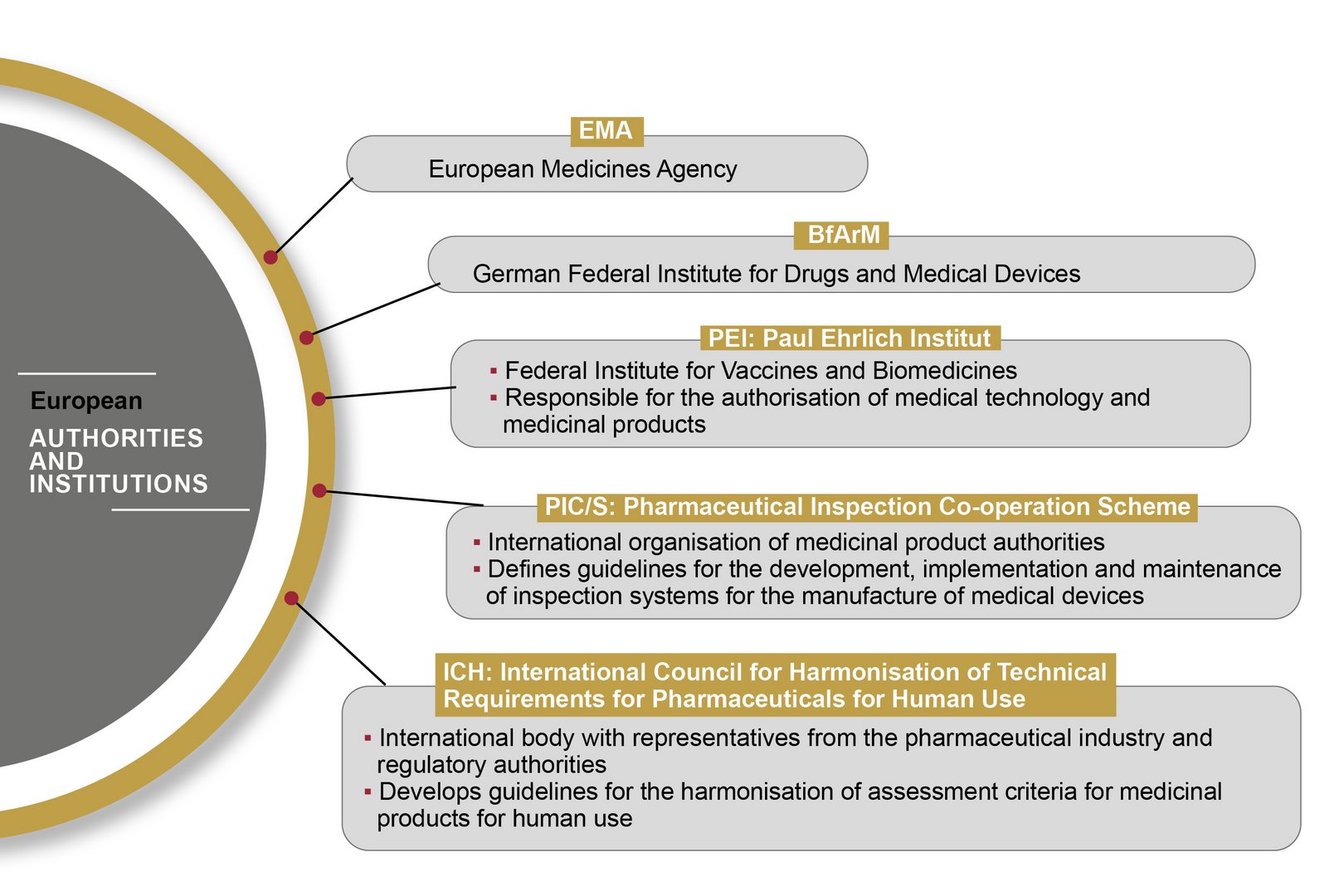
In the European Union, the handling of medical devices and pharmaceutical products is standardised and regulated by the European Medicines Agency (EMA). The EMA publishes guidelines based on EU Commission directives, which are transposed into national law by the medical regulatory bodies of the individual Member States.
A great many regulations and recommendations must be observed during the design and manufacture of automated inspection systems. For example, similarly to CFR 21 Part 11, the EU GMP Annex 11 guideline describes the requirements for computerised systems, but also extends to cover the topics of qualification and validation. The latter is set out in detail in the associated Annex 15 guideline.
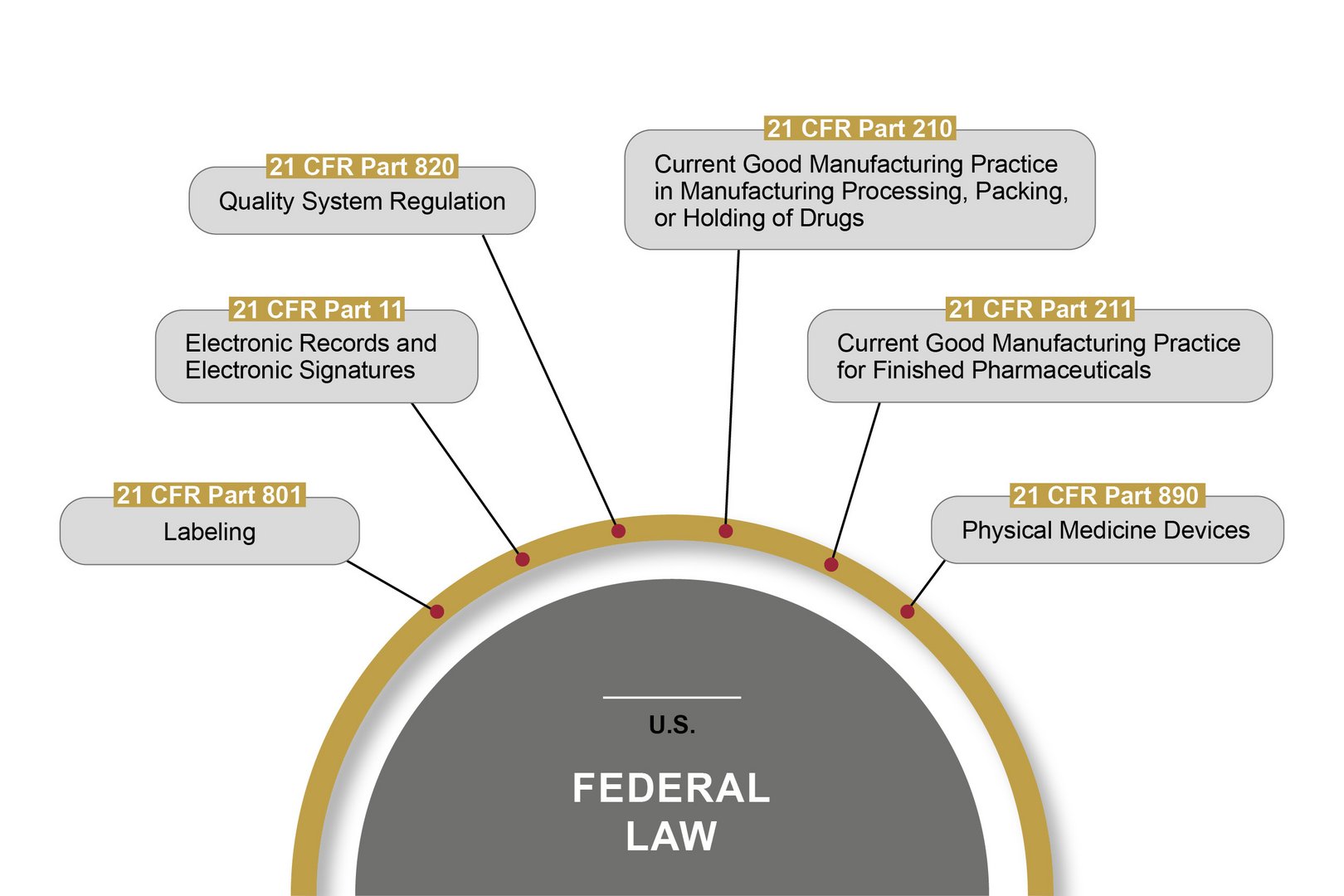
The FDA (Food and Drug Administration) is the U.S. authority responsible for the central marketing authorisation and monitoring of pharmaceutical products and medical devices. The FDA monitors the market more proactively than European authorities – with on-site inspections, for example. Therefore, OCTUM solutions are always based on the most stringent rules and regulations.
21 CFR Part 11 is the best known American federal law passed by the FDA in this field. It lays down the requirements for computerised systems that handle pharmaceutical products, among other things. These cover the prerequisites for the reliability and trustworthiness of digital documents, in the same way as traditional records. Part 11 defines the conditions under which the electronic records and signatures of computerised systems can be considered trustworthy and reliable. Certain other parts of 21 CFR also have to be observed.
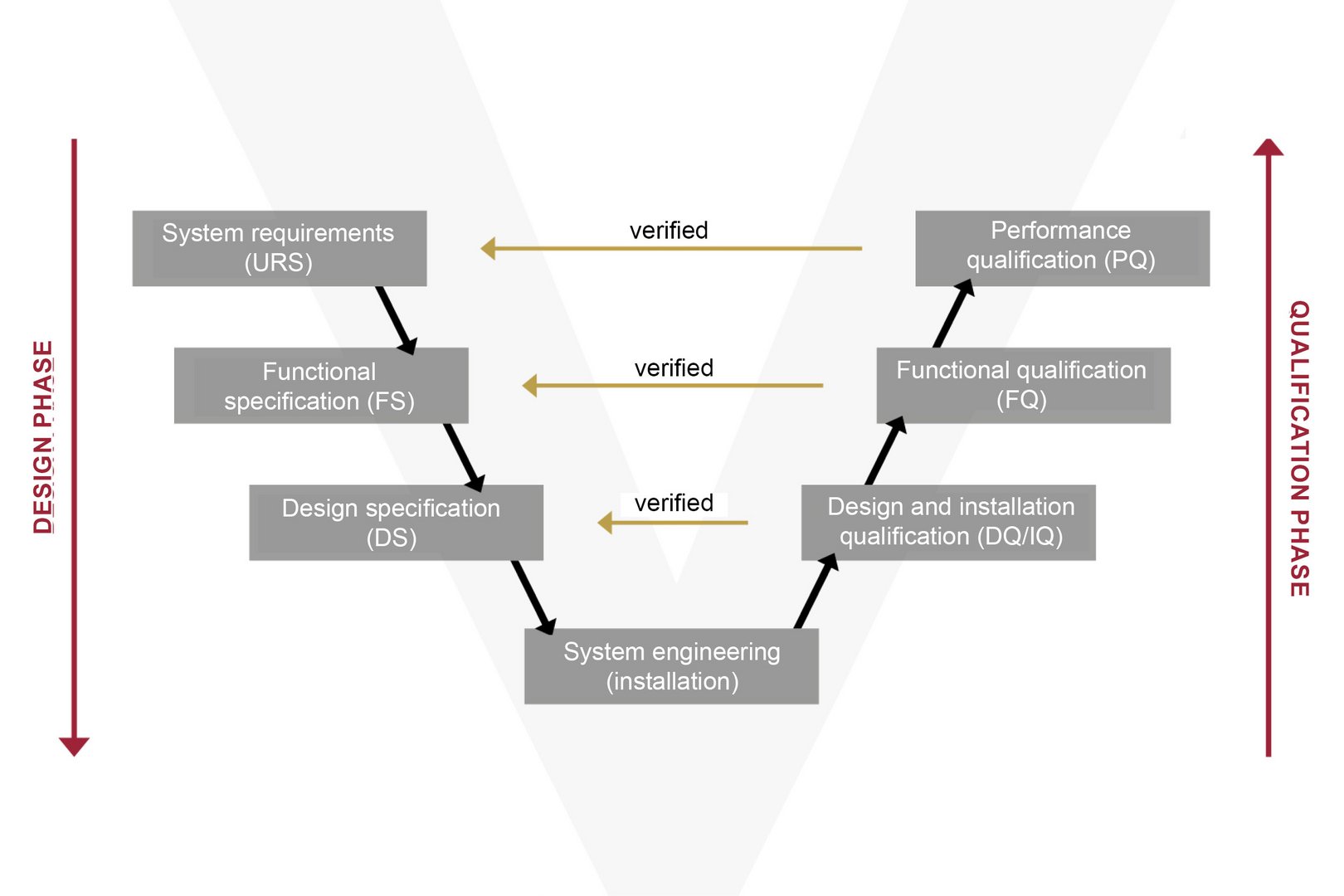
The “Good Automated Manufacturing Practice 5” guideline is regarded as the standard regulatory volume for the validation of computerised systems in pharmaceutical and medical technology. It lays down requirements for planning, commissioning, validation and qualification – of production systems, for example. The guideline is published by the International Society of Pharmaceutical Engineers (ISPE), which has committees including representatives from medical regulatory bodies and experts from the pharmaceuticals industry.
The GAMP5 is not a law, but rather a recommended methodology for developing a compliant computerised system. The GAMP5 Software Development Life Cycle describes the requirements from the planning to the productive operation of automated systems, under consideration of all the expected risks.
In practice, the system’s function (FS) and design (DS) are conceived with direct reference to the URS (User Requirement Specification). Following a specific risk analysis, the system is implemented and put into operation in the machine. During the subsequent qualification phase, the Installation, Operational and Performance Qualification (IQ/OQ/PQ) process verifies and records whether the overall system complies with the specifications.
Inspection systems from OCTUM have been specially developed for the pharmaceuticals industry and have been an established part of production since 1996. Thanks to our many years of experience in the fields of vials, syringes, pipettes and bandages, among other items, our solutions are specially tailored to the exacting requirements of this industry and satisfy all the necessary regulations. Our range of services extends from consulting and planning to the implementation and qualification of the compliant overall system – including all the documents the regulations require.
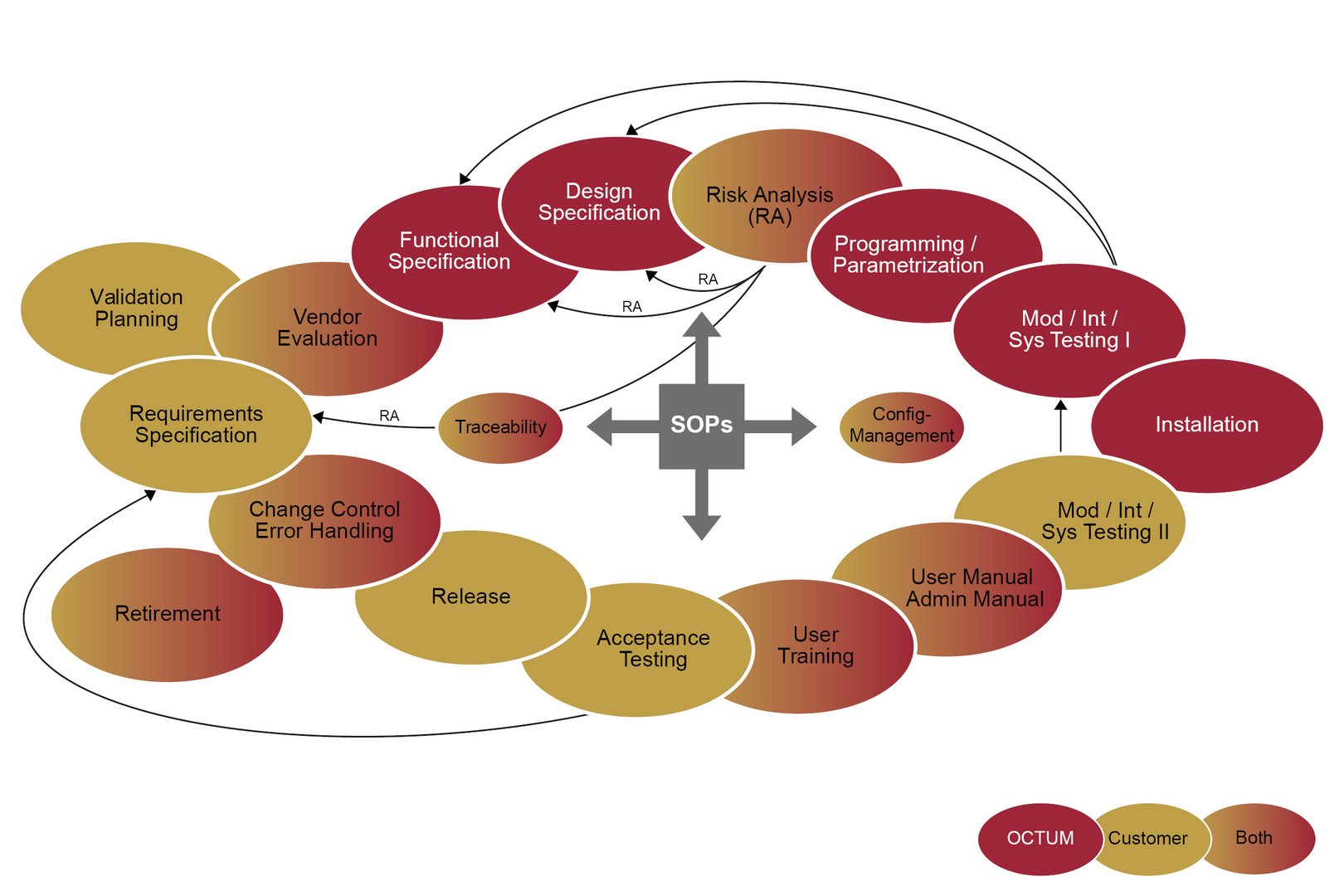
Compliance Does Not Start with Validation
Regulatory requirements should not be added retrospectively. They already influence the selection of software, cameras, interfaces, user concepts and documentation structures.
OCTUM therefore considers regulatory requirements early in the project: when defining the inspection task, the system architecture, software configuration, data connectivity and later documentation.
This results in an inspection system that not only performs the technical inspection, but can also be integrated into regulated production and quality processes.






Interfaces and Data Connectivity
Inspection systems rarely operate in isolation. They often need to communicate with line control systems, the machine environment, MES, SCADA, ERP or customer-specific data systems.
OCTUM considers these interfaces during system planning so that inspection data can be transferred and processed in a technically meaningful way.
Qualification and Validation
Support for Qualification-Ready Implementation
Depending on project requirements, OCTUM supports the documented implementation of inspection systems for regulated production environments. This may include specifications, risk assessments, functional descriptions, test concepts and qualification-relevant documents.
Typical components of documentation may include:
- User Requirement Specification
- Functional Specification
- Design Specification
- Risk Analysis
- Test and Acceptance Documentation
- Support for IQ/OQ-Relevant Evidence
- Description of Interfaces and Data Flows
- Documentation of User and Permission Concepts
The specific scope of documentation is defined on a project-by-project basis and depends on the application, production environment and customer-specific requirements.
OCTUM Scope of Services
From the Inspection Task to Regulated System Integration
OCTUM does not develop inspection systems as isolated camera solutions, but as part of the production and quality process.
Technical, regulatory and organizational requirements are considered together:
- Definition of the inspection task and inspection characteristics
- Selection of suitable cameras, optics and lighting
- Software configuration and inspection program logic
- User and permission concept
- Audit trail and format management
- Data connectivity and interfaces
- Rejection and feedback concepts
- Documentation and qualification-relevant support
- Integration into existing or new production lines
This results in inspection systems that effectively combine technical inspection, process integration and regulatory requirements.
Applications
Regulatory Requirements in Specific Inspection Applications
pharma.regulations is particularly relevant for inspection systems in regulated industries and demanding production environments.
Typical applications include:
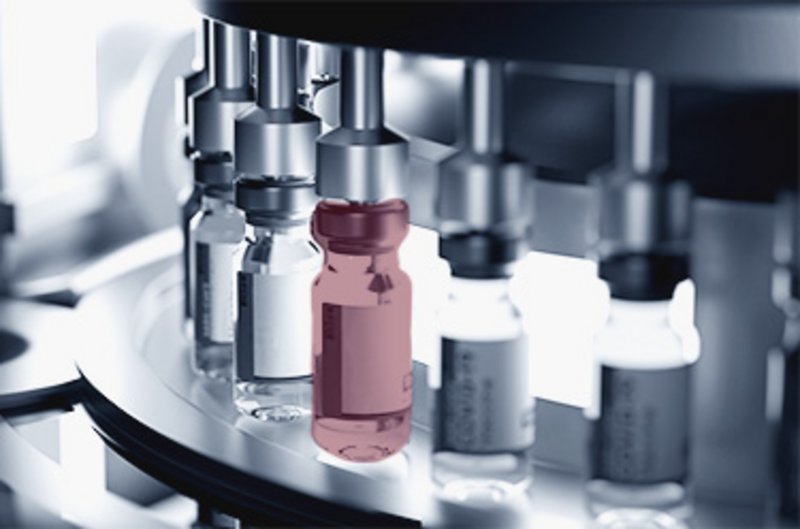
vial.inspect - Inspection Systems for Vials
Automated inspection of vials before and after filling, including empty vials, vial mouth, stopper seat, crimp caps, print quality, human-readable text and codes.
![[Translate to Englisch:] pharmazeutische Ampullen werden in einer Abfüllanlage hängend geführt](/fileadmin/_processed_/e/6/csm_Ampullen_375x248_e6e80a3173.jpg)
ampoule.inspect - Inspection Systems for Ampoules
Automated inspection of ISO ampoules after sealing and cooling, including breakage, deformation, open ampoules and optical defects.
![[Translate to Englisch:] eine rote Spritze wurde in ein Injektionsfläschchen gesteckt und wird aufgezogen](/fileadmin/_processed_/6/3/csm_Spritze_375x248_b7cd332451.jpg)
syringe.inspect - Inspection Systems for Syringes
Inline inspection of syringes and syringe components for completeness, position, assembly, printing, codes and quality-relevant characteristics.

pipette.inspect - Inspection Systems for Pipette Tips
Automated inspection of pipette tips, racks and packaging units for geometry, completeness, contamination and correct arrangement.

well.inspect - Inspection Systems for Wells and Trays
Automated quality inspection of wells, cups, microtiter plates and trays for geometry, surface, cleanliness, completeness and defects.
![[Translate to Englisch:] medizinisches Personal appliziert ein Pflaster auf den Oberarm des Patienten](/fileadmin/user_upload/content-bilder/Branchenl%C3%B6sungen/Medizintechnik/Pflaster_375x248.jpg)
patch.inspect - Inspection Systems for Wound Care Products
Inline inspection of wound dressings, adhesive bandages and transdermal systems for contamination, surface quality, product position, active ingredient application, print quality and codes.
Which regulations are relevant for automated inspection systems in the pharmaceutical industry?
For automated inspection systems in regulated production environments, EU GMP Annex 11, EU GMP Annex 15, 21 CFR Part 11 and GAMP 5 are among the relevant requirements. The specific requirements depend on the application, production environment, data usage and the customer’s validation concept.
What role does GAMP 5 play for inspection systems?
GAMP 5 supports a risk-based approach for GxP computerized systems. For inspection systems, this means that requirements, risks, system functions, verification and documentation are considered in a structured way and implemented on a project-specific basis.
Clarify Regulatory Requirements for Your Inspection System
Are you planning a machine vision inspection system for a regulated production environment?
OCTUM supports you with technical system design, integration into your production line and qualification-ready implementation – from the inspection task through to documentation.

Additional Information
AOI Systems for Reliable Inline Quality Control
Learn more about automated optical inspection systems for demanding production processes.
Industrial Machine Vision for Demanding Inspection Tasks
Learn how OCTUM combines cameras, optics, lighting, software and integration into a robust inspection solution.
Integrate, Retrofit and Reliably Operate Machine Vision Systems
Learn more about integrating inspection systems into existing and new production lines.
Feasibility Study for Machine Vision and AOI
Find out early whether an optical inspection solution is technically feasible for your application.