



Automated Visual Assembly Inspection for Automotive Components and Assemblies
Automated inspection of completeness, position and correct assembly

In the automotive industry, numerous components and assemblies must be installed reliably within short cycle times. At the same time, different vehicle models, equipment options and country-specific versions are increasing the complexity of production processes.
OCTUM develops customized machine vision systems for automated assembly inspection in the automotive and supplier industries. The systems inspect components directly within the production process to verify that they are present, correctly positioned and installed according to the specified product variant.

Any questions?
Get directly in touch with our
experts on +49 7062 91494-0
or write to us using our contact form
What is automated visual assembly inspection?
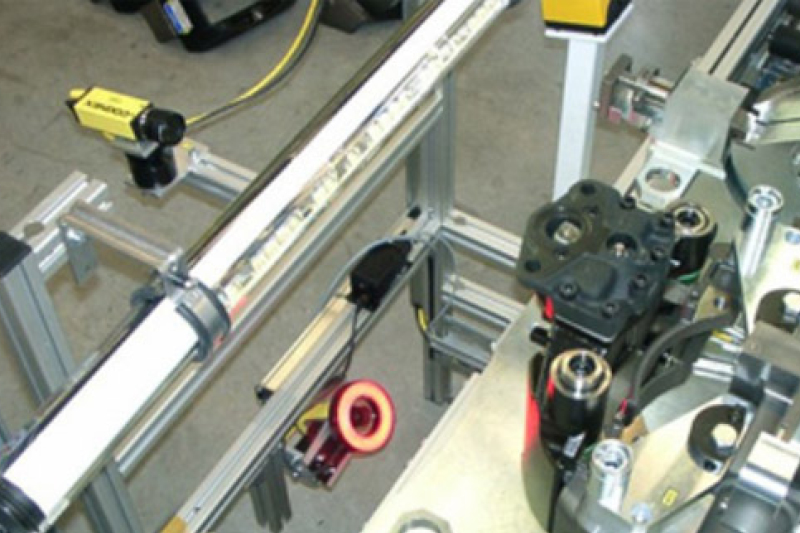
During automated visual assembly inspection, industrial cameras capture the components or assemblies to be inspected. The machine vision software compares the visible features with predefined inspection criteria.
This makes it possible to detect missing, incorrect, rotated or improperly installed components. The inspection result is then transferred to the PLC, machine control system or a higher-level production system.
Depending on the application, inspection can take place during individual assembly steps, after completion of an assembly or as part of the final visual inspection.
Which features can be inspected?
Presence and completeness
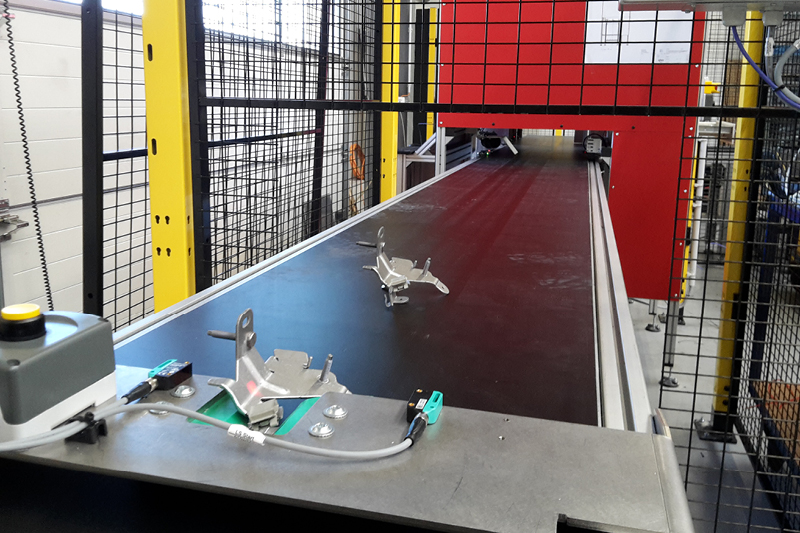
The machine vision system checks whether all required components, screws, clips, connectors, covers and fastening elements are present.
Position and orientation
The system verifies whether a component is located in the specified position and has been installed in the correct orientation or rotational position.
Component and variant verification
The system identifies whether the correct components have been used for the respective vehicle or product variant. This helps prevent mix-ups in assembly processes involving a large number of variants.
Correct assembly and seating
Visible features can be inspected to determine whether components have been fully inserted, engaged, fastened or connected.
Features and markings
Depending on the inspection task, colors, shapes, labels, symbols and codes can also be checked for identification and correct assignment.
Typical applications in automotive assembly
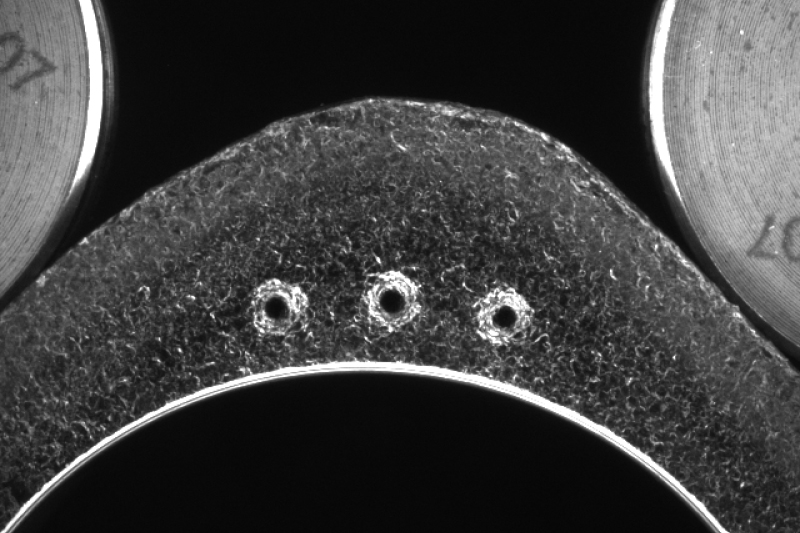
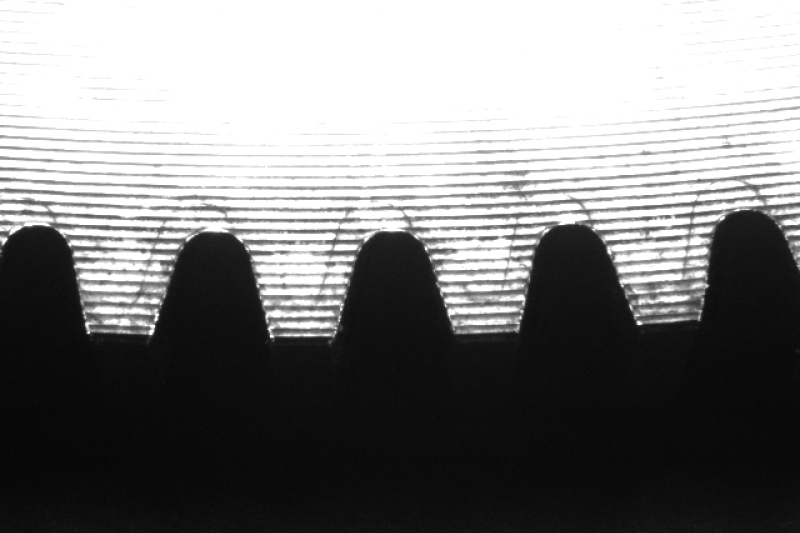
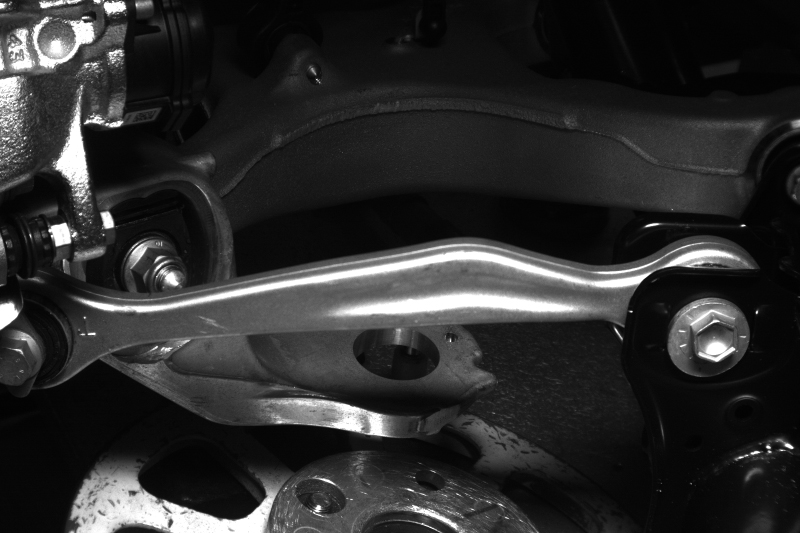
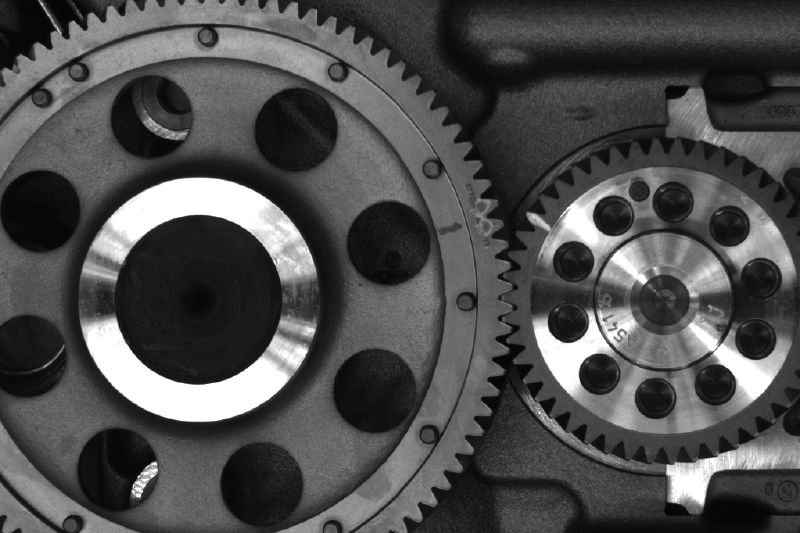
OCTUM develops machine vision solutions for inspection tasks including:
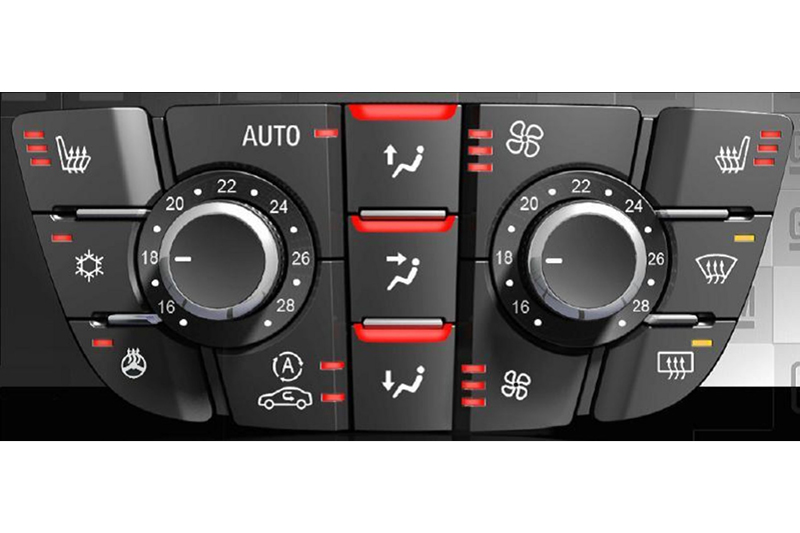
- Assembly inspection of cockpit and control elements
- Completeness inspection of engine and drivetrain components
- Position and orientation inspection of cams and other components
- Identification of different ring gear variants
- Assembly inspection of axles and crankshaft gears
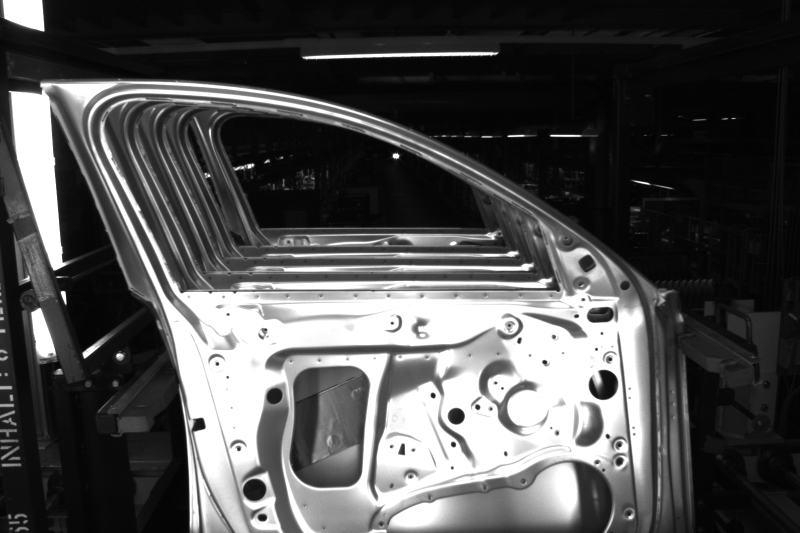
- Position and variant verification of vehicle doors
- Positioning of climate control trim panels
- Assembly inspection of heat shields
- Inspection of brakes and wheel fastenings
- Completeness inspection of wiring harnesses and connectors
- Inspection of body assemblies and fastening elements
The features that can be inspected reliably depend on the component geometry, accessibility, required level of detail and conditions within the production line.
Detect assembly defects early in the process
Missing or incorrectly installed components can result in significant consequential costs if they are not detected until final inspection or a later production stage.
Inline assembly inspection makes it possible to identify deviations immediately after the relevant assembly step. Affected assemblies can then be reworked, rejected or prevented from continuing to the next process stage.
Automated inspection supports:
- Objective and repeatable quality inspection
- Reliable inspection of production processes involving multiple variants
- Early detection of assembly defects
- Reduced rework and consequential costs
- Documentation of inspection results
- Stable inspection processes at short cycle times
Integration into new and existing production lines
OCTUM machine vision systems are adapted to the respective inspection task and production environment. Factors such as installation space, cycle time, product handling, number of variants and existing interfaces are considered during system design.
Depending on the system concept, one or more cameras, different illumination technologies and multiple inspection positions can be used. The systems can be integrated into new production lines or retrofitted into existing assembly processes.
OCTUM develops solutions for:
- Manual, semi-automated and fully automated assembly processes
- Production steps with or without robot involvement
- Different production speeds
- Stationary or moving components
- Communication with PLCs and machine control systems
- Format- and variant-specific inspection programs
From feasibility testing to commissioning
A reliable assembly inspection solution begins with a detailed analysis of the inspection task. OCTUM examines the relevant features, potential defect types and conditions at the intended installation location.
If required, technical feasibility can be evaluated using original components and defined defect samples. The results provide the basis for developing a suitable inspection concept and selecting the cameras, lenses, illumination and evaluation methods.
OCTUM supports the project from concept development and implementation through integration and commissioning to technical support during ongoing operation.
Is your assembly application not listed?
Assembly processes and component geometries vary from one application to another. We work with you to determine how your quality criteria can be inspected automatically and how the inspection system can be integrated reliably into your production process.
Talk to us about your inspection task.