


AOI systems for reliable in-line quality control
Automated optical inspection for consistent production processes
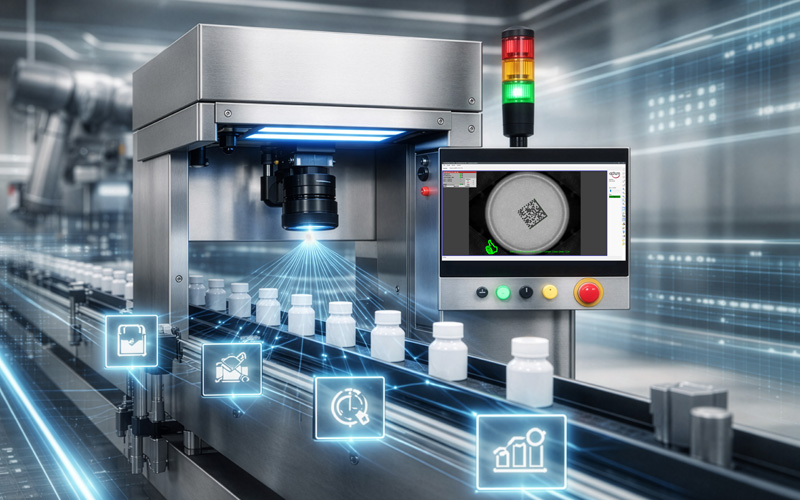
As a systems integrator, OCTUM develops AOI systems not as stand-alone inspection components, but as integrated solutions for mass production. This includes camera and lighting concepts, image analysis, PLC integration, interfaces, data flow and integration into the production line. Our solutions help to detect defects at an early stage, reduce scrap and ensure the quality of your products with a reliable 100% inspection.
The focus is always on the specific inspection task: OCTUM implements bespoke solutions when standard AOI is insufficient or existing systems need to be reliably expanded to include optical inspection.
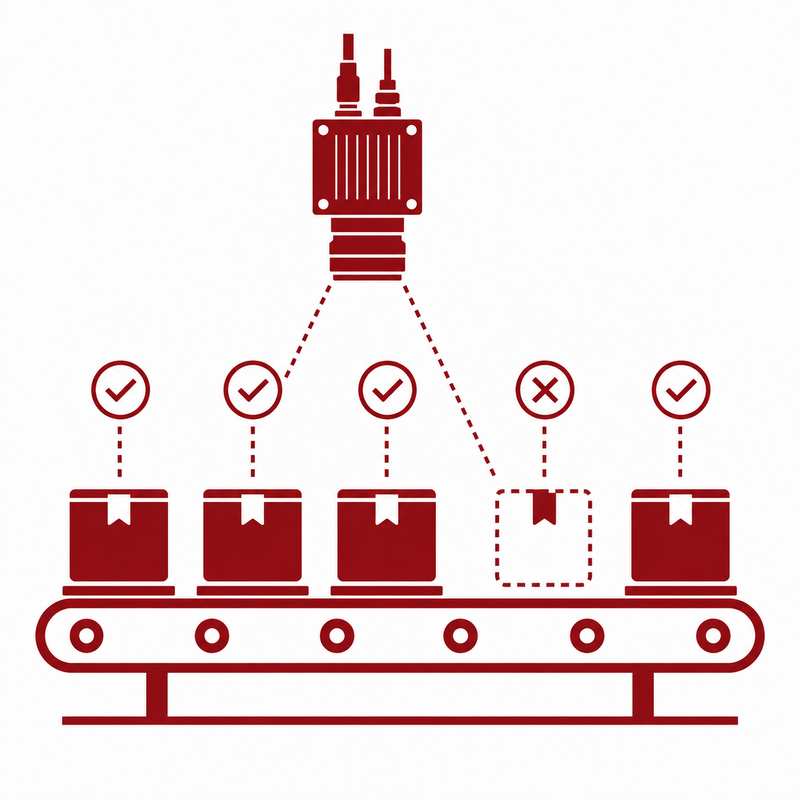
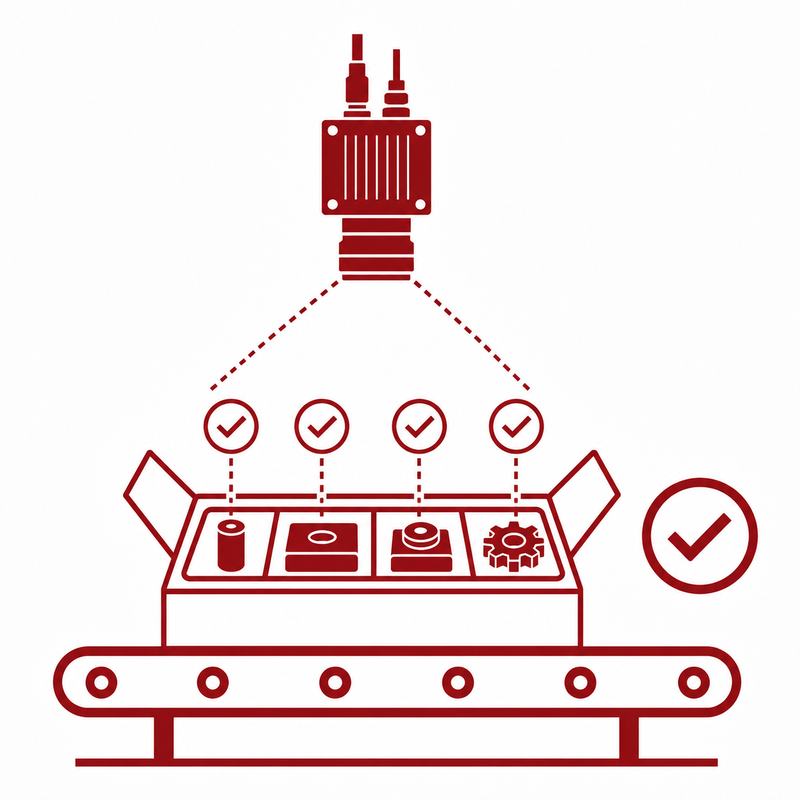
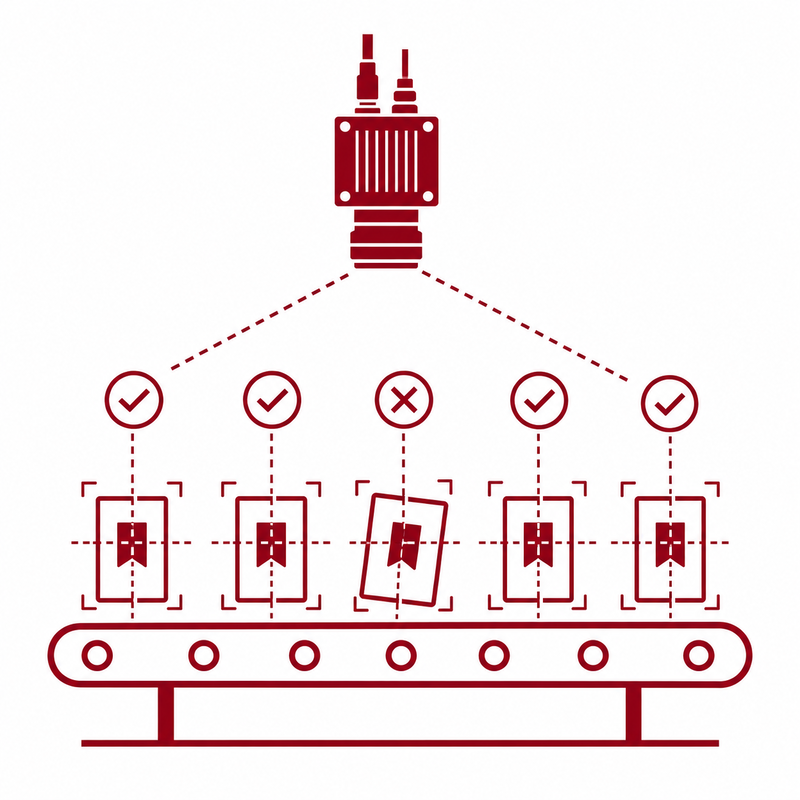
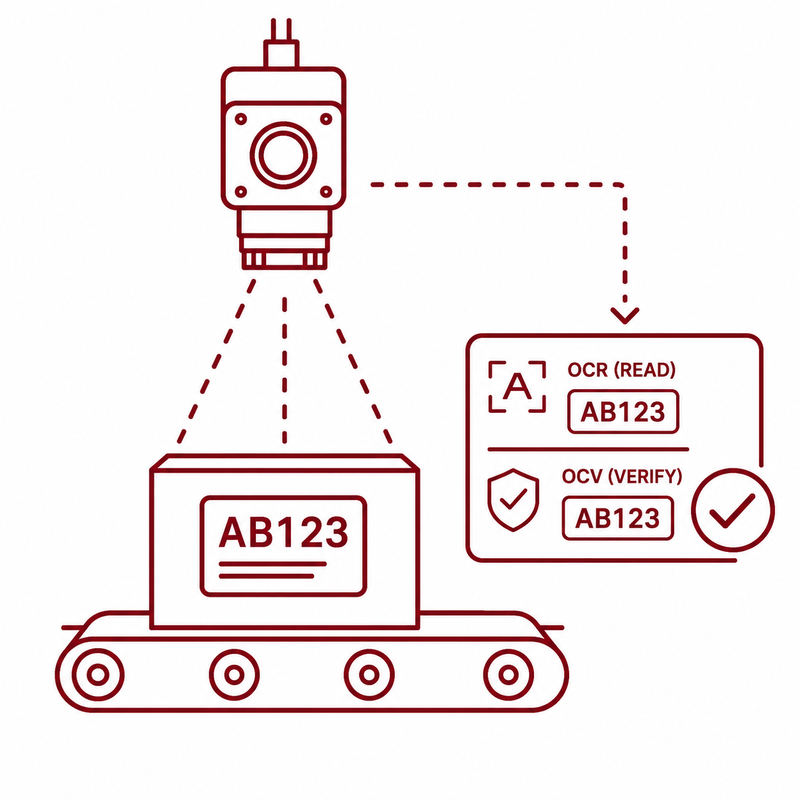
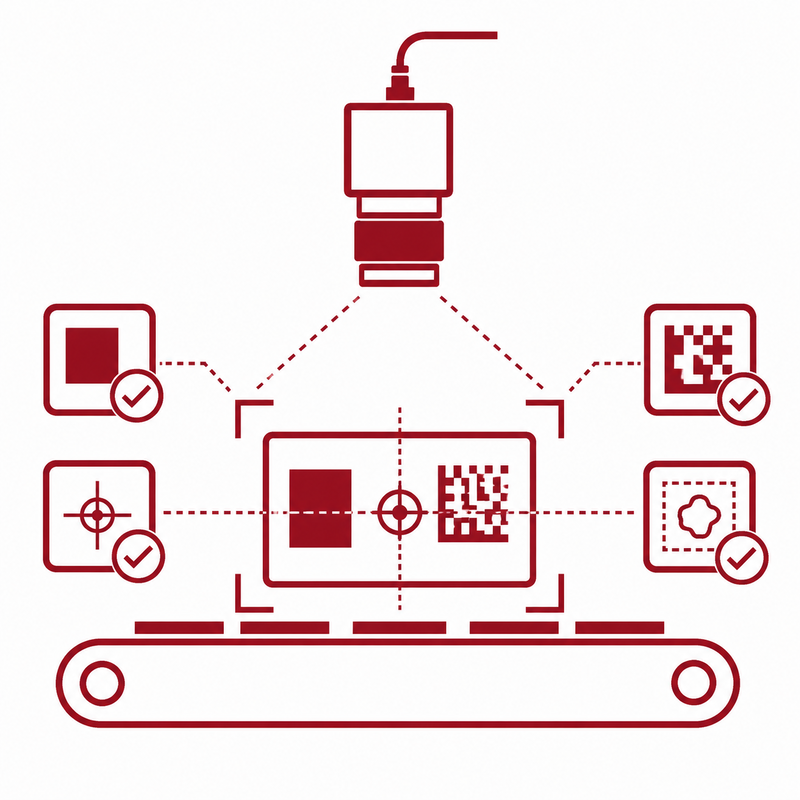
Whether it’s presence checks, position checks, completeness checks, surface inspection or code verification: we implement image processing solutions tailored to your inspection task, your cycle time and your production environment.

Any questions?
Get directly in touch with our
experts on +49 7062 91494-0
or write to us using our contact form
What is an AOI system?
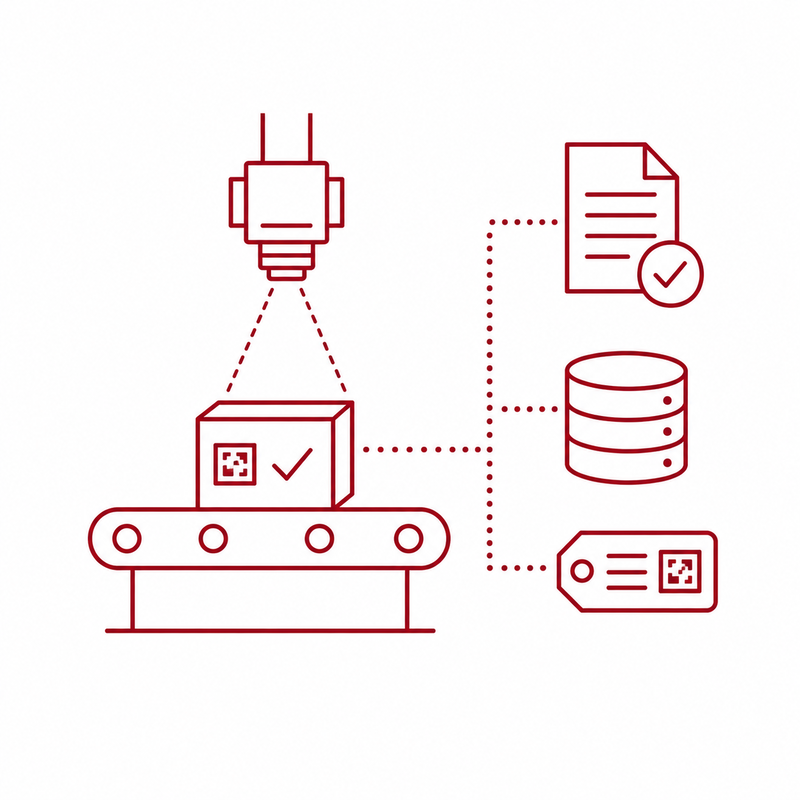
AOI stands for automatic optical inspection. An AOI system inspects products, components, packaging or codes using cameras, lighting, optics and image processing software. The inspection takes place directly within the production process and automatically evaluates defined quality characteristics.
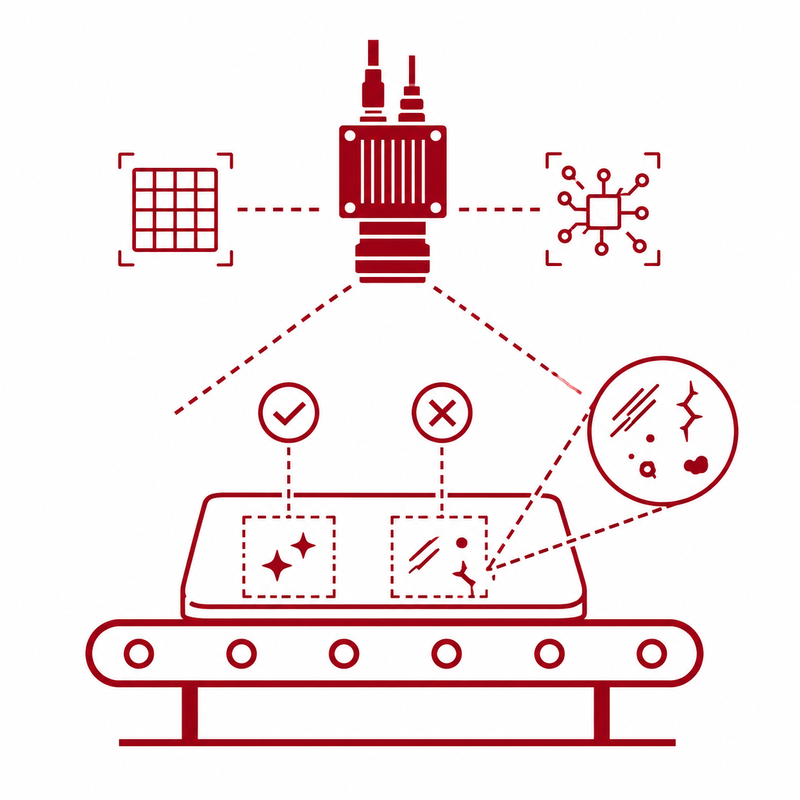
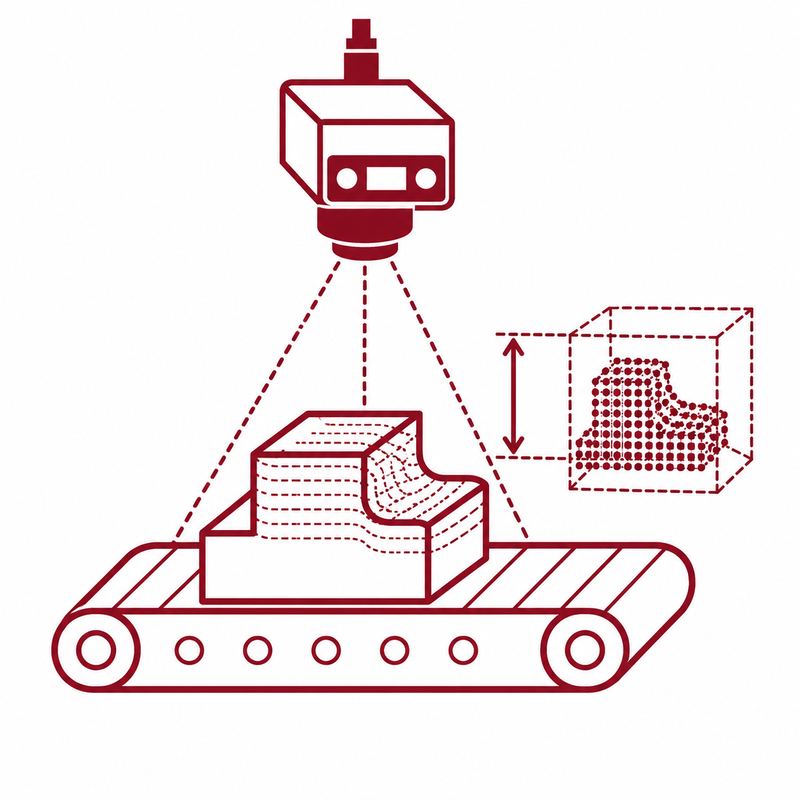
Depending on the application, an AOI system detects missing components, incorrect positioning, surface defects, dimensional deviations, faulty markings or unreadable codes. Faulty products can be documented, marked or rejected.
AOI as part of industrial image processing
Industrial image processing is the umbrella term for camera-based inspection systems used in manufacturing. Within this field, AOI refers to the automatic optical inspection of specific quality characteristics. Whilst industrial image processing can also encompass identification, measurement, control or process data analysis, the focus of AOI is on automated quality inspection during the production process.
AOI and inline inspection for demanding inspection tasks
In mass production, it is not just a question of whether a defect is detected. What matters is that the inspection is reproducible, operates within cycle time limits and functions reliably as part of the ongoing process.
OCTUM combines industrial-grade imaging, stable lighting, reliable inspection logic and system integration to create AOI systems that perform reliably in day-to-day production – not just under ideal laboratory conditions.
In doing so, the inspection task, product, cycle time, environmental conditions, interfaces and data flow are considered together. This results in solutions that ensure quality inline without unnecessarily slowing down the production process.
Tailor-made AOI systems instead of off-the-shelf solutions
Not every inspection task can be neatly resolved using a standard system. Different products, materials, surfaces, environmental conditions and cycle times each place their own demands on the camera, optics, lighting and inspection logic.
That is why OCTUM does not develop off-the-shelf solutions, but rather AOI systems that are precisely tailored to the specific application. The aim is always to provide a stable, reproducible and practical solution for day-to-day operations.
Inspection software and evaluation logic
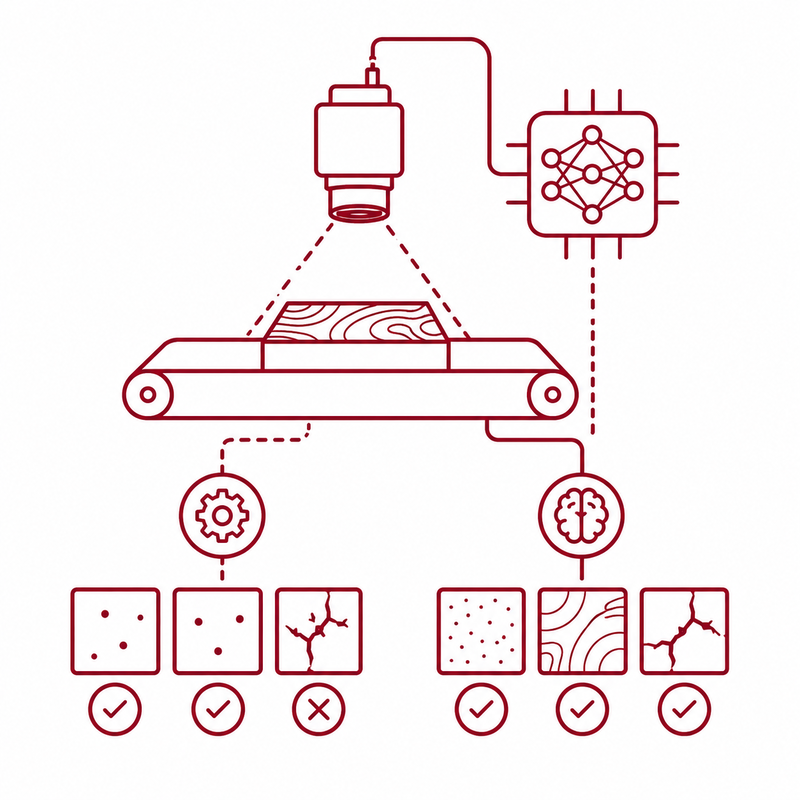
Depending on the task, rule-based image processing, data-driven methods or a combination of different approaches may be used.
AOI systems for demanding industries
OCTUM develops AOI systems for production environments where quality must be checked reliably, in-line and with full traceability. The focus is on industrial applications with high demands in terms of process reliability, cycle time, documentation and integration.

> Pharmaceuticals
AOI systems inspect vials, ampoules, syringes, labels, codes, packaging and product-related features in regulated production environments.

> Medical technology
In the medical technology sector, AOI systems are used to inspect pipettes, wells, patches, syringes, plastic components and other medical devices.
> Packaging technology
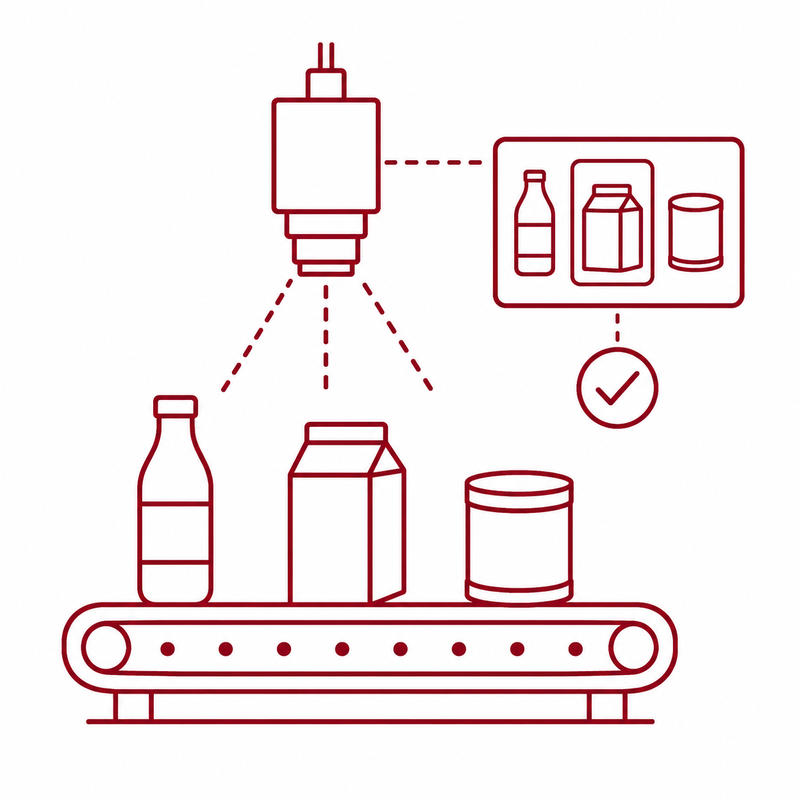
AOI systems inspect labels, printed images, codes, folding cartons, tubes, blister packs and packaging components directly during the packaging process.

> Automotive and technical products
AOI supports surface inspection, assembly inspection, code verification, dimensional inspection and variant verification in industrial manufacturing processes.

> Other industries
Industrial image processing for the metal, cosmetics, food and beverage industries, as well as other technical applications – ranging from surface inspection and barcode and text verification to completeness and dimensional checks.
AOI for regulated production environments
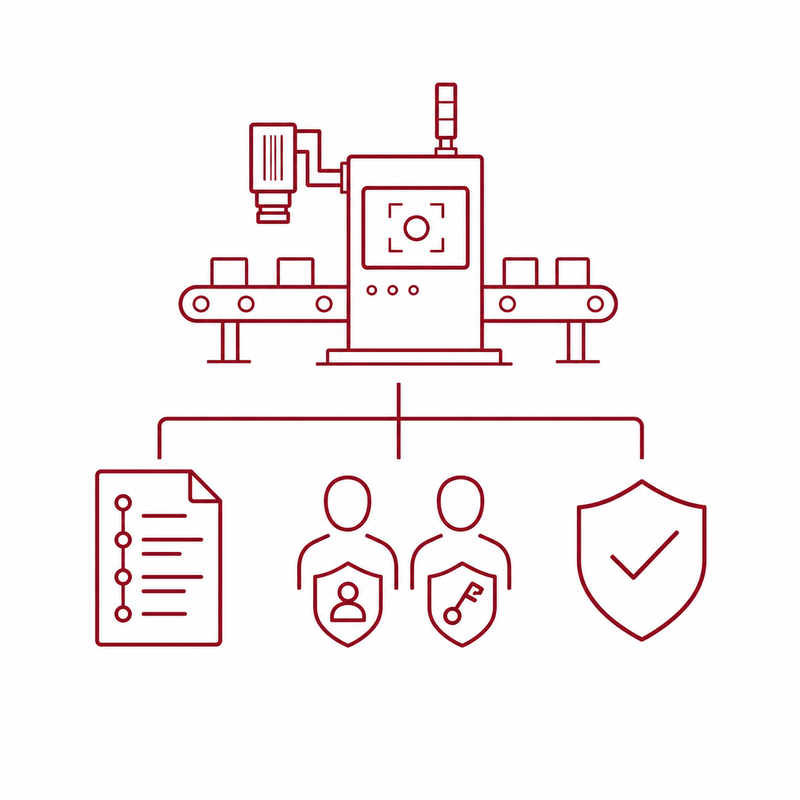
In regulated industry sectors such as pharmaceuticals and medical technology, AOI systems must not only perform reliable inspections but also document inspection results in a traceable manner. Requirements relating to user management, audit trails, version control, traceability and validatability play a key role in this context.
OCTUM develops AOI solutions that can be tailored to these requirements – including software, user interface design, data integration and documented changes.
Technology for reliable AOI inspection processes
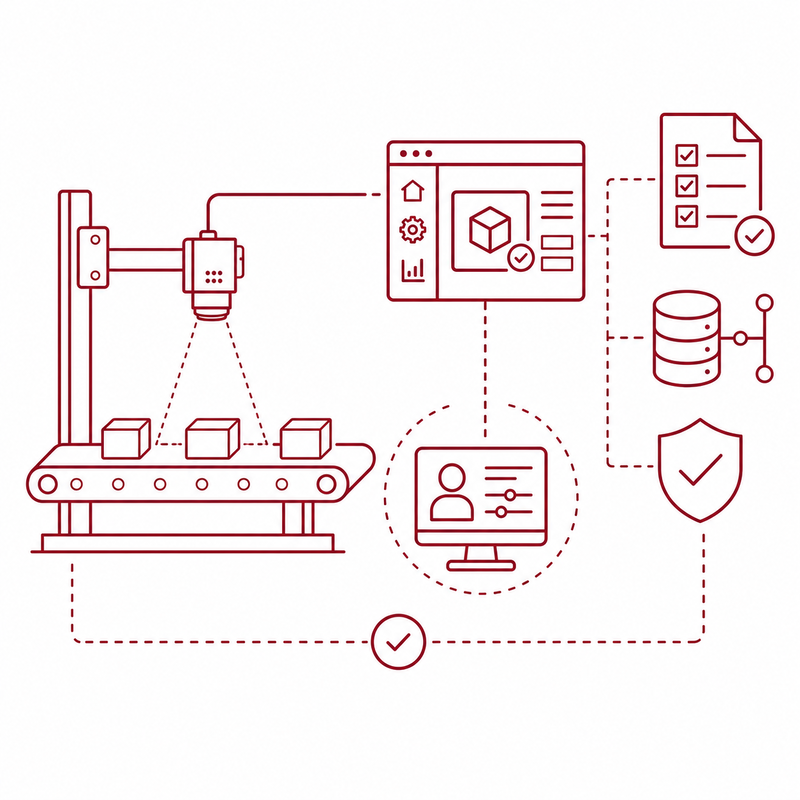
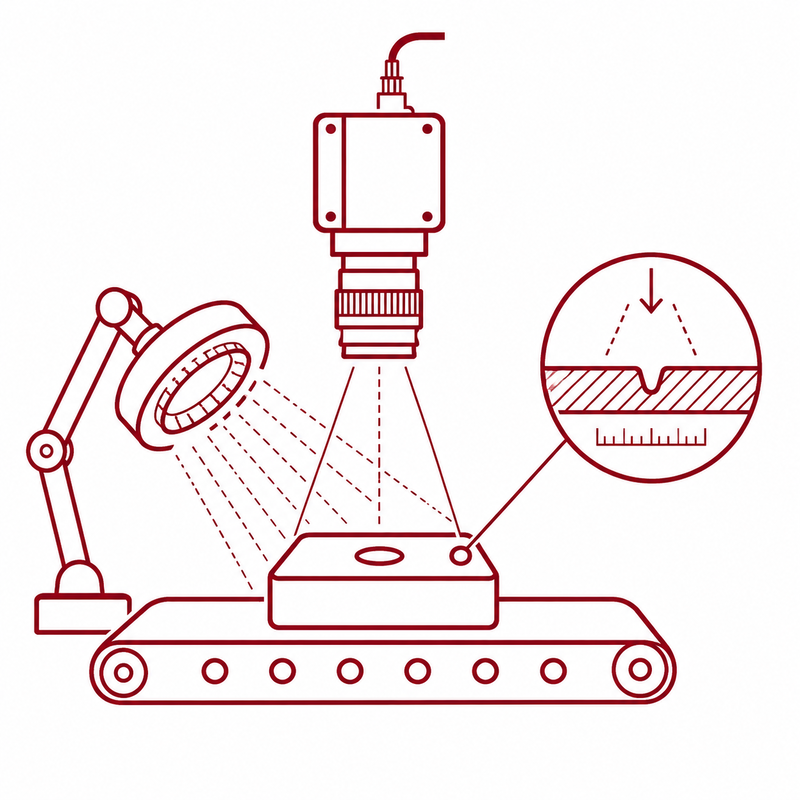
Consistent AOI results are not achieved through camera selection alone. The key lies in the interplay between lighting, optics, image capture, software, inspection logic, mechanics and integration into the process.
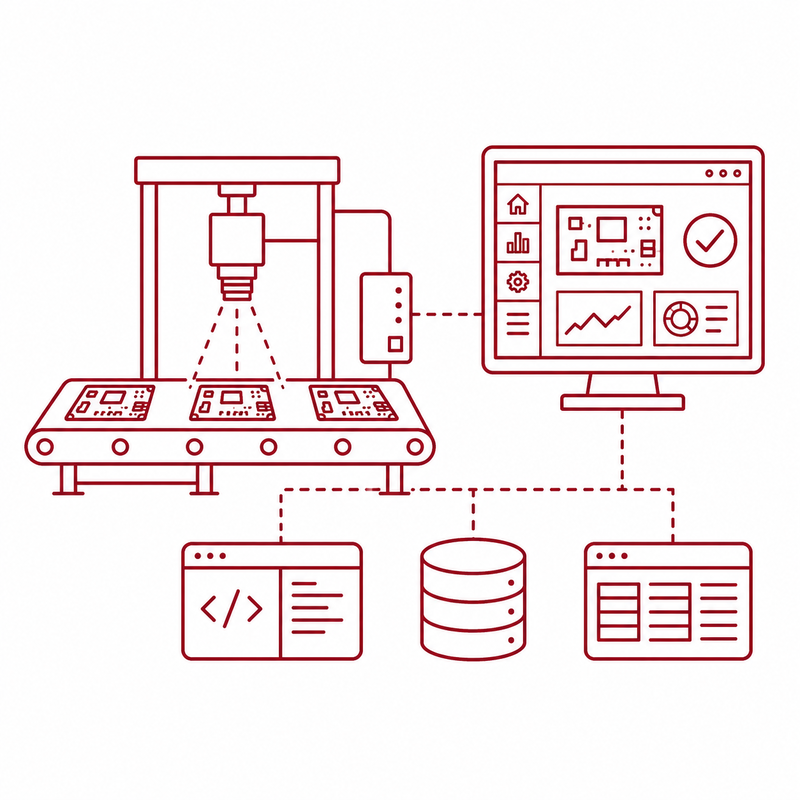
Software and data integration
AOI systems can be integrated into machines and production environments using software, interfaces, user interfaces and data connections.
The path to a robust AOI solution
1. Quick review of your inspection task
We clarify the objective, product, cycle time, inspection criteria, environmental conditions, variants and required interfaces.
2. Feasibility study or proof of concept
If required, we validate the image configuration, lighting, inspection logic and repeatability under realistic conditions.
3. Concept and project planning
Based on the results, a comprehensive technical concept is developed, covering mechanics, camera positioning, lighting, hardware, software, I/O/PLC and data path.
4. Implementation and integration
The AOI system is set up, tested, integrated into the production line and adapted to the production environment.
5. Series operation and optimization
Following commissioning, OCTUM provides support with fine-tuning, variants, service, training and the long-term stabilization of the inspection process.
Why OCTUM for AOI?
OCTUM develops AOI systems for inspection tasks where standard solutions are insufficient or where seamless integration into real-world production processes is crucial.
Expertise in customised solutions
We tackle inspection tasks that standard providers do not cover adequately – tailored to the product, fault profile, cycle time and production environment.
Focus on integration
OCTUM is not just about detection, but about the entire system: camera, lighting, software, equipment, interfaces, data flow and user interface.
Practical feasibility
Decisions are made on the basis of technical feasibility, realistic testing and measurable results.
Reliable in operation
OCTUM’s AOI systems are designed for stability, ease of maintenance, clear interfaces and documentable processes.
Discuss your inspection task now
Would you like to find out whether your application can be reliably implemented using AOI or in-line inspection? If so, please tell us about your requirements. Together, we will assess which approach makes the most sense from both a technical and economic perspective.